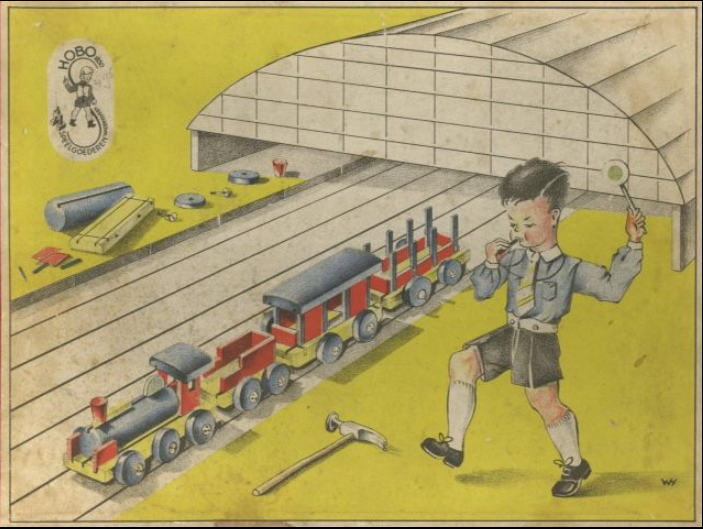
More about beach wood and toys
Beechwood
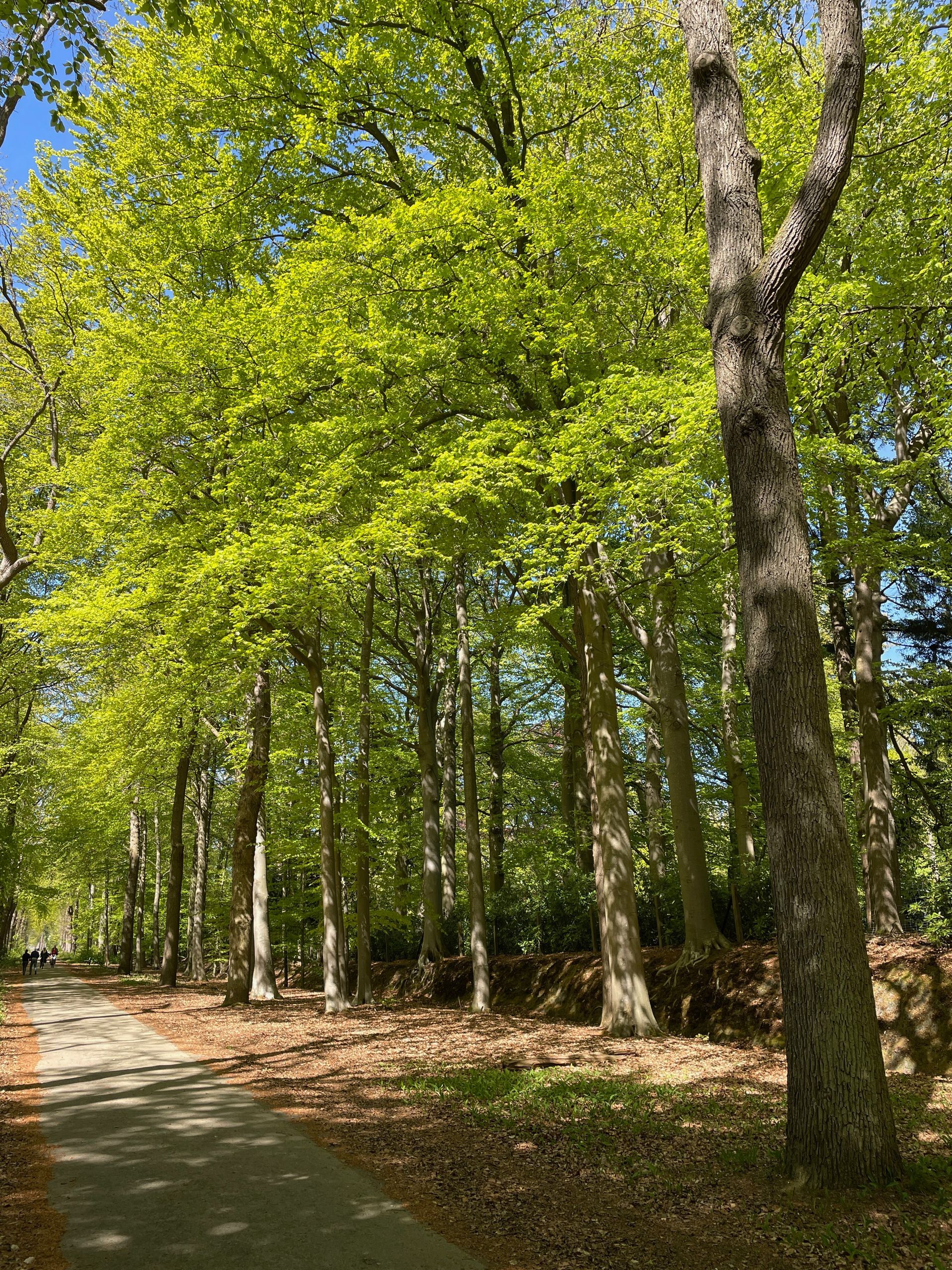
The beech, botanical name Fagus sylvatica, belongs to the family of cup-bearers (Fagaceae). As such, the beech is related to many other deciduous trees such as the oak and the chestnut. The beech is a tree that is common in the Northern Hemisphere, especially in Europe, but also in West Asia, Japan, and North America. About fifty different beech species are distinguished, mainly based on their growing location. Depending on the conditions, the beech can reach a height of 30 to 45 meters. The diameter can reach 1.5 meters. The branch-free trunk has a length of 9 to 15 meters.
The wood of felled beech is considered non-durable and is prone to shrinkage of up to 12%, and especially to warping and twisting. The color of the sapwood (located beneath the bark to the heartwood) is yellowish-white. Some beech types have red heartwood. Untreated wood is quite soft, is easy to saw and cut, and is extremely suitable as firewood after drying outdoors.
Beech is susceptible to fungi and termites. Untreated beech is not a top choice, either indoors or outdoors. Therefore, 95% of all beech is graded and preserved. This makes beech wood relatively more expensive.
Note: the hornbeam belongs to a different family (Carpinus betulus). The hornbeam grows quickly and, in the absence of maintenance, can reach up to 15 meters in height.
Technical timber
It has been known for centuries in shipbuilding that wood can be bent after heating, a process known as elasticization. If the wood is subsequently bent and cooled in a form or mold, the wood retains its shape or springs back slightly. Now, beech wood has the property that, after heating and cooling, it retains its shape, becomes harder, and acquires a light brown/orange glow with silver-grey undertones. No splinters and easy to cut and plane lengthwise. In the woodworking industry, this is referred to as engineered wood. There is one disadvantage: the cells are so lightly stacked that heat can be generated during sawing, drilling, filing, and sanding. It doesn't stop there; overheating can cause scorch marks and the start of a fire.
Before and after the Second World War, Sliedrecht BV specialized in preserving and shaping beech wood. In an autoclave (a type of oven), the wood was heated with steam at less than 100 degrees. Depending on the thickness, this took from 15 minutes to several hours. Afterward, there was sufficient time to bend the wood. It was also possible to first assemble a model using somewhat thinner beech wood and then place the entire unit in the autoclave to release tension from the material (the so-called tempering). The entire Netherlands under reconstruction had a piece of Sliedrecht BV in its home with its beech wood door sills. As always, there were competitors, and over the years, other materials entered the market.
Sleds
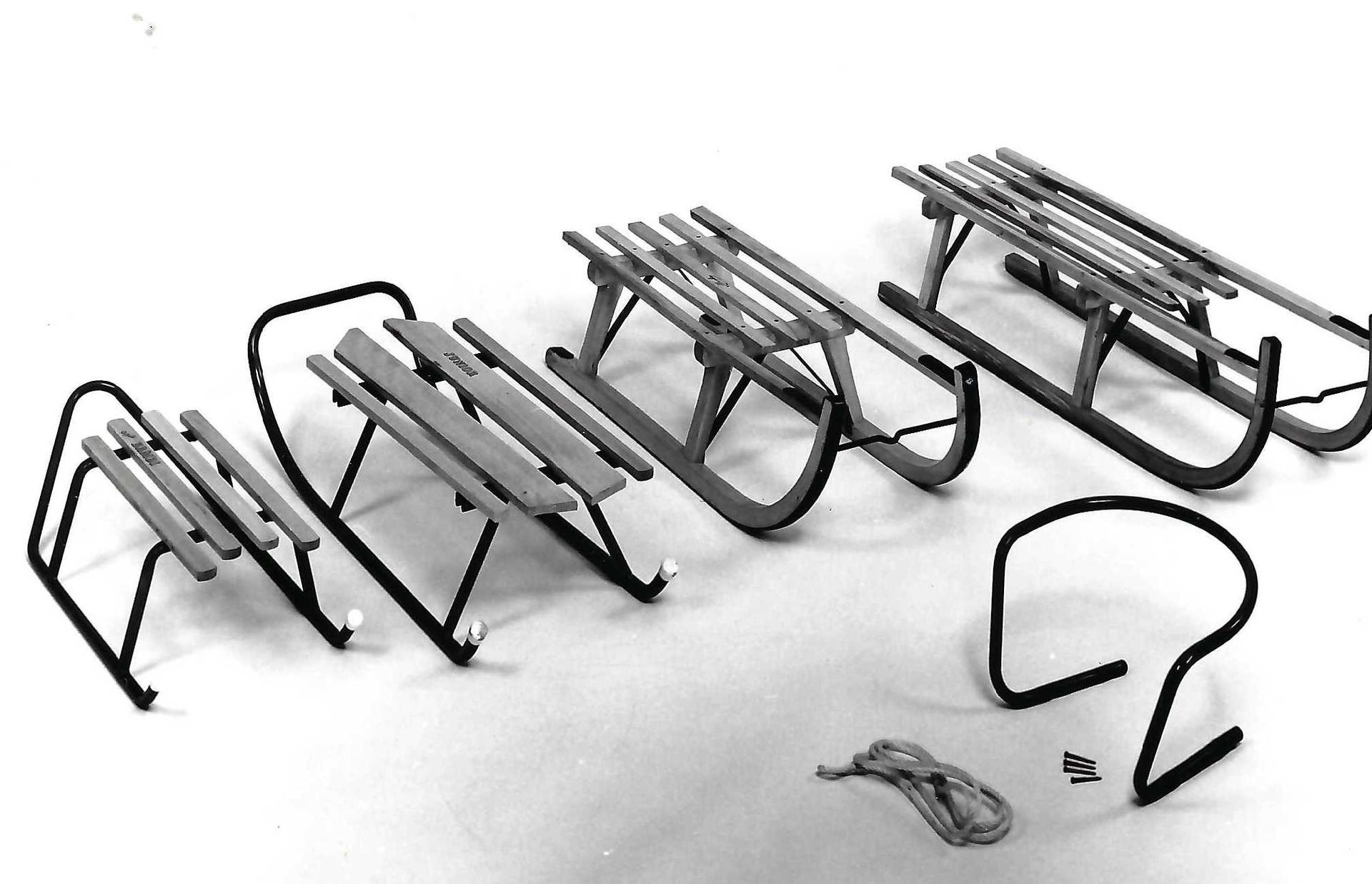
During the summer months, the warehouses were filled with imported sleds from East Germany and sleds of their own manufacture, whether or not equipped with steering, a rim, etc. A peak in turnover with sufficient winter conditions, but a considerable drain on company capital in the absence of sufficient snow.
Carts, wagons
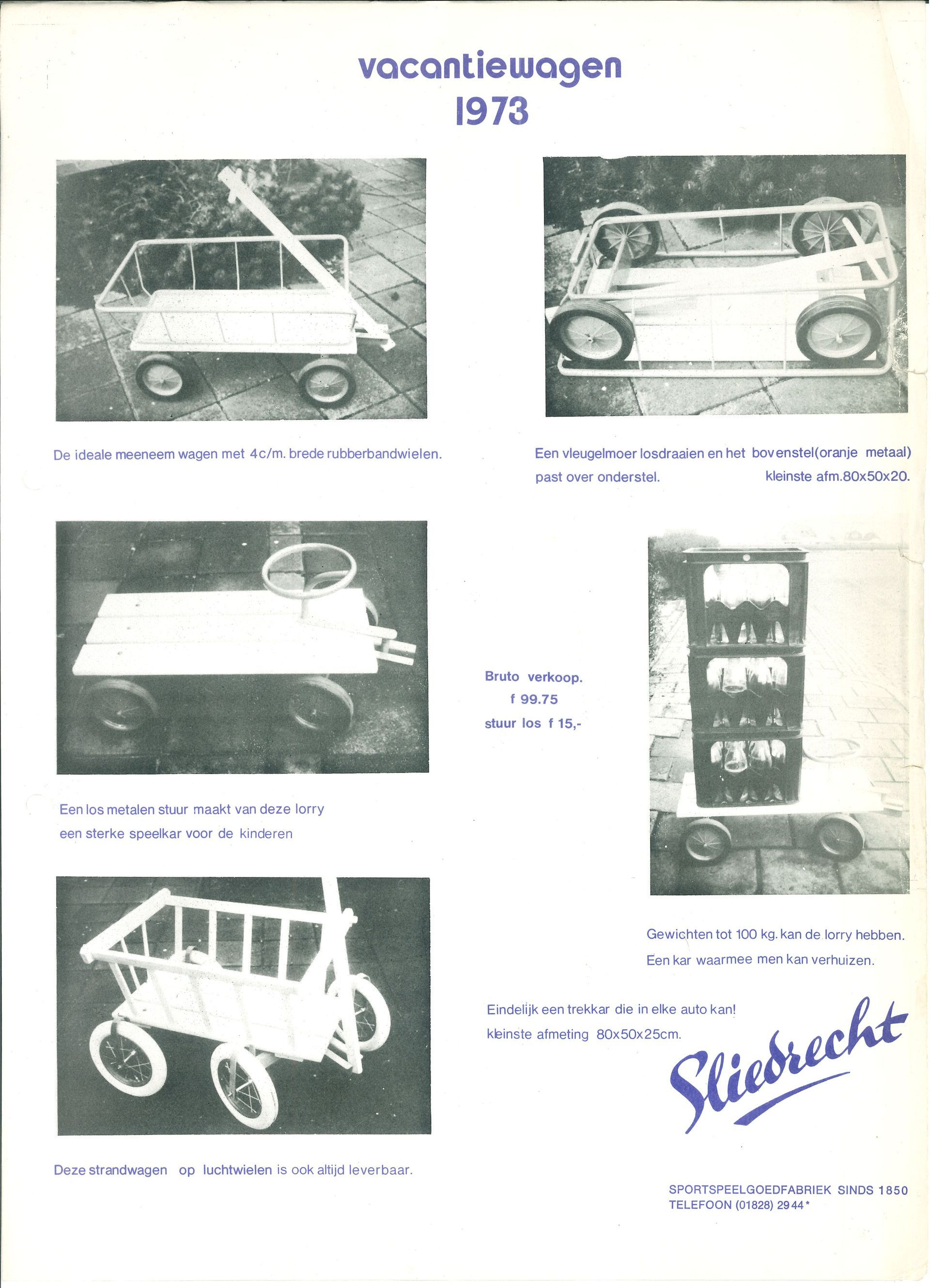
Beach wagons, handcarts, with steering or with a tow bar, with or without upright railings, whether detachable or not. The range of holiday wagons at Sliedrecht Speelgoed was extensive.
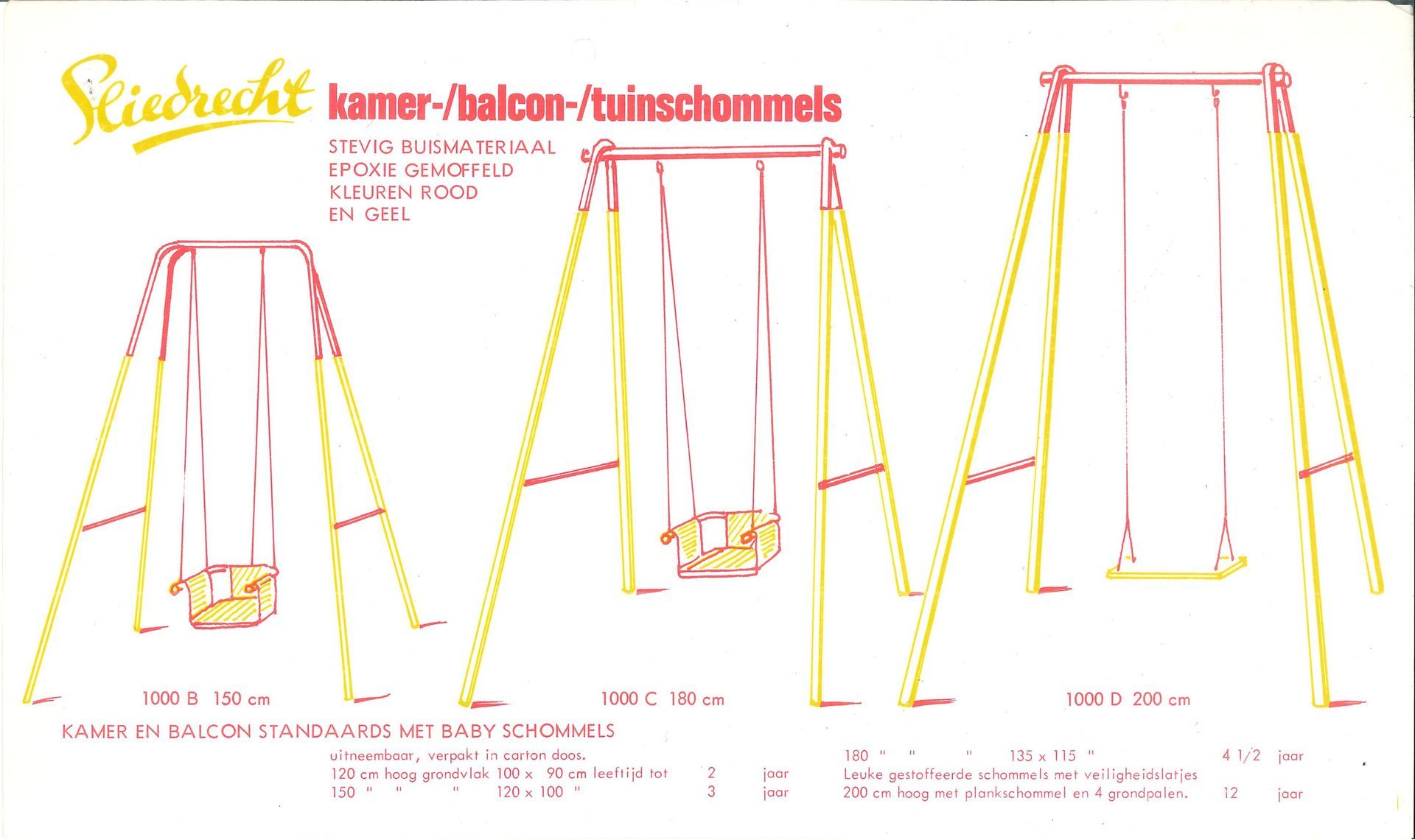
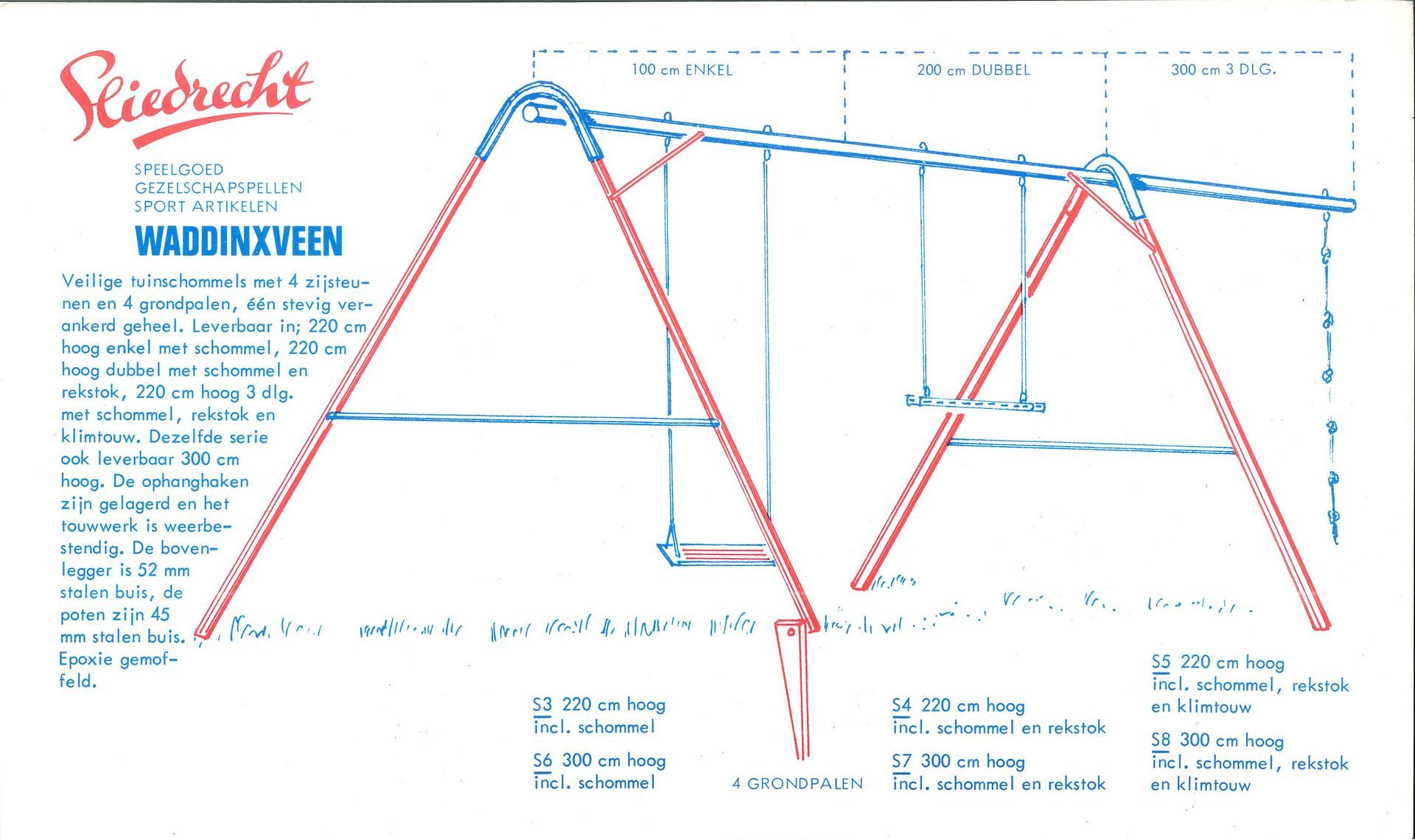
Outdoor swings
The range of outdoor swings at Sliedrecht included various height and width sizes. Moreover, one could choose a seat or a board according to one's own ideas.
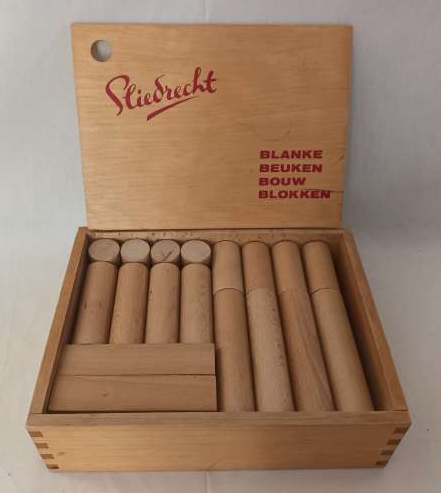
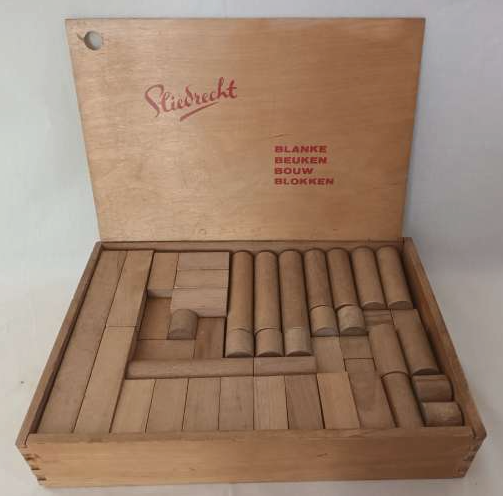
Building blocks
Building blocks
The Sliedrecht Speelgoed range includes a small and a large building block set. The unprinted boxes were purchased in East Germany and screen-printed with the red Sliedrecht logo in the Netherlands. The round timber and blocks reappear in the same dimensions in the models of the Europoort Port System.
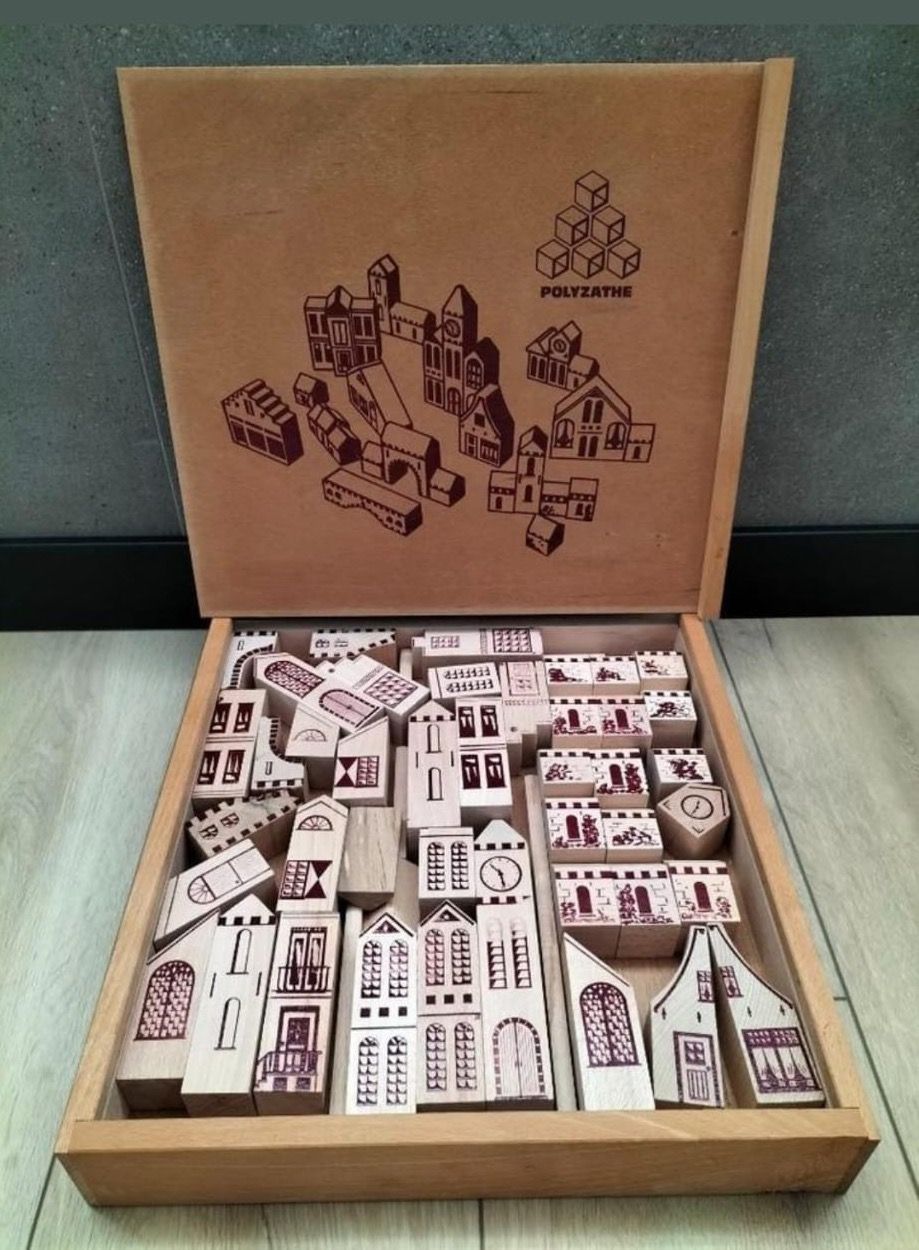
Blok City (Polyzathe)
Date: early 1970s.
This block set was a (Christmas) marketing campaign by property developer and real estate group Polyzathe.
The blocks were made in-house and printed using screen printing. Sliedrecht was allowed to market an agreed quantity itself.
Each block is part of a house or a church. With these, a city can be built according to one's own ideas. The scale of the building elements is independent of the E10 Road System or the Europoort Port System. Nevertheless, the block city reappears on many lids of the E10 boxes. But then again, there is a blackboard on those too.
Model building kits
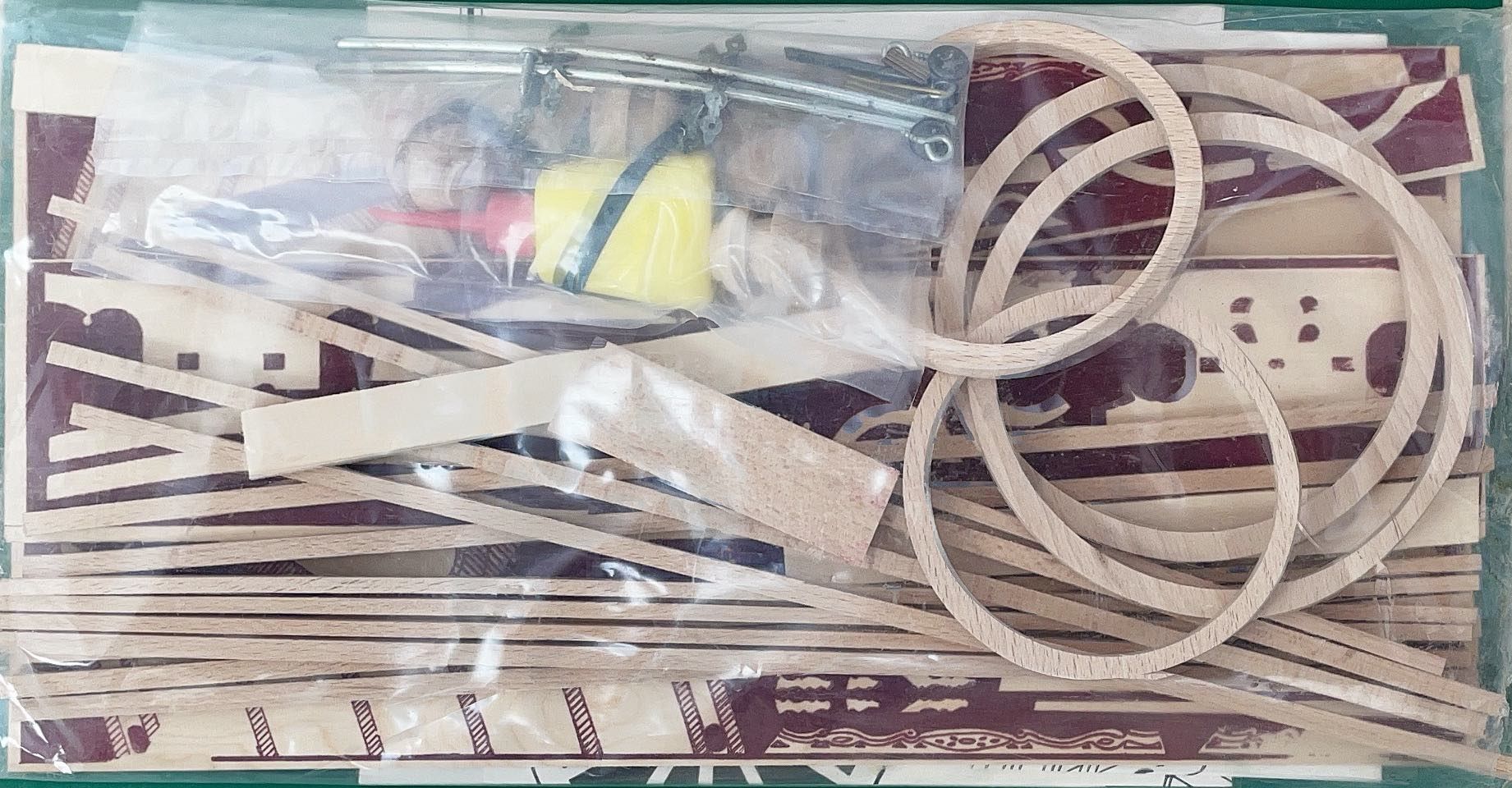
Sliedrecht Speelgoed, as a company, had knowledge and experience in printing on wood. It was therefore a logical step to see if they could sell this quality and capacity to third parties. In other words: suppliers of dollhouses and model building supplies were approached with the question of whether they wanted to outsource work. An agreement was reached with Authentic Shipmodels (Amsterdam), a company that made model ships for the high-end segment.
Model Kits
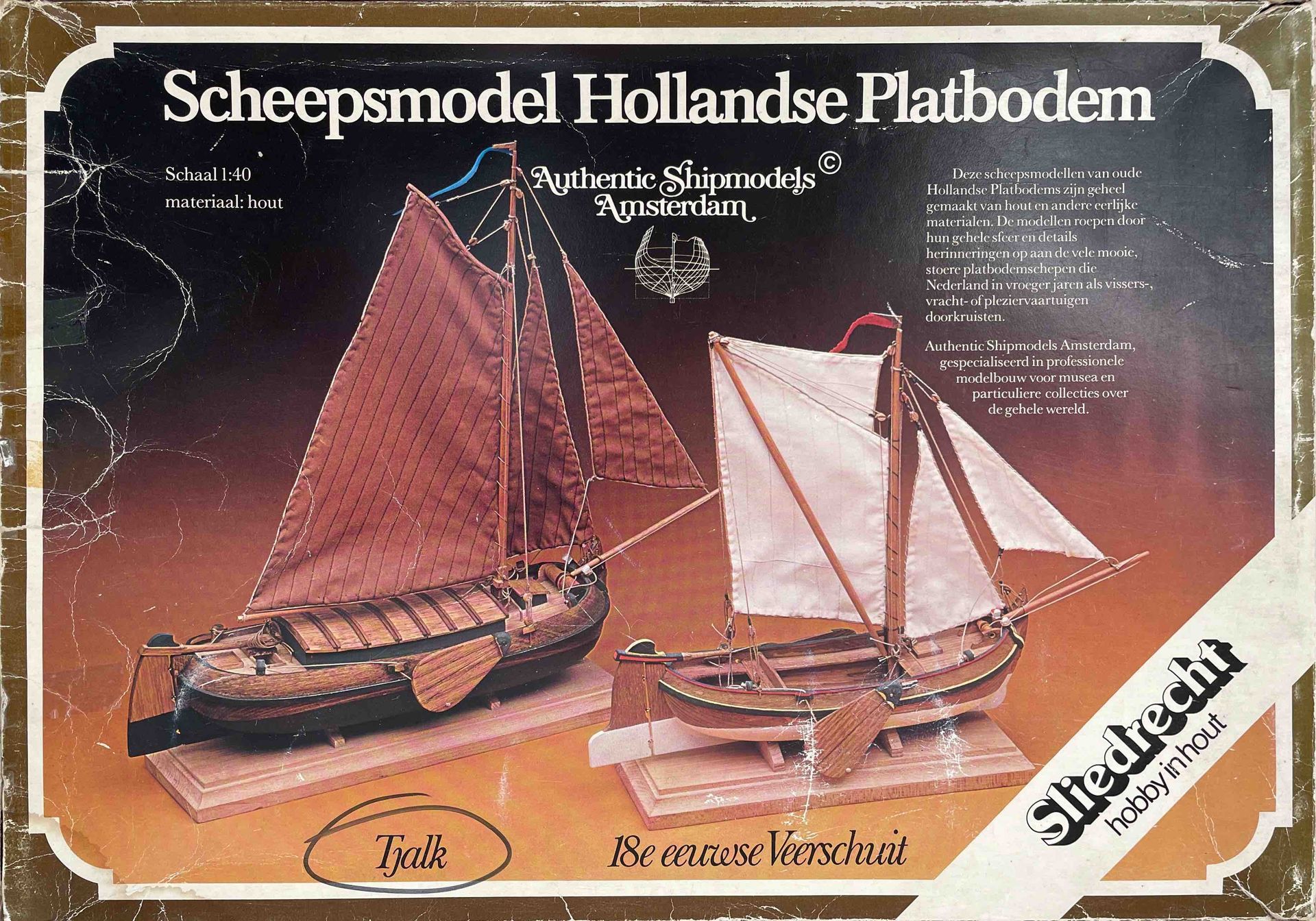
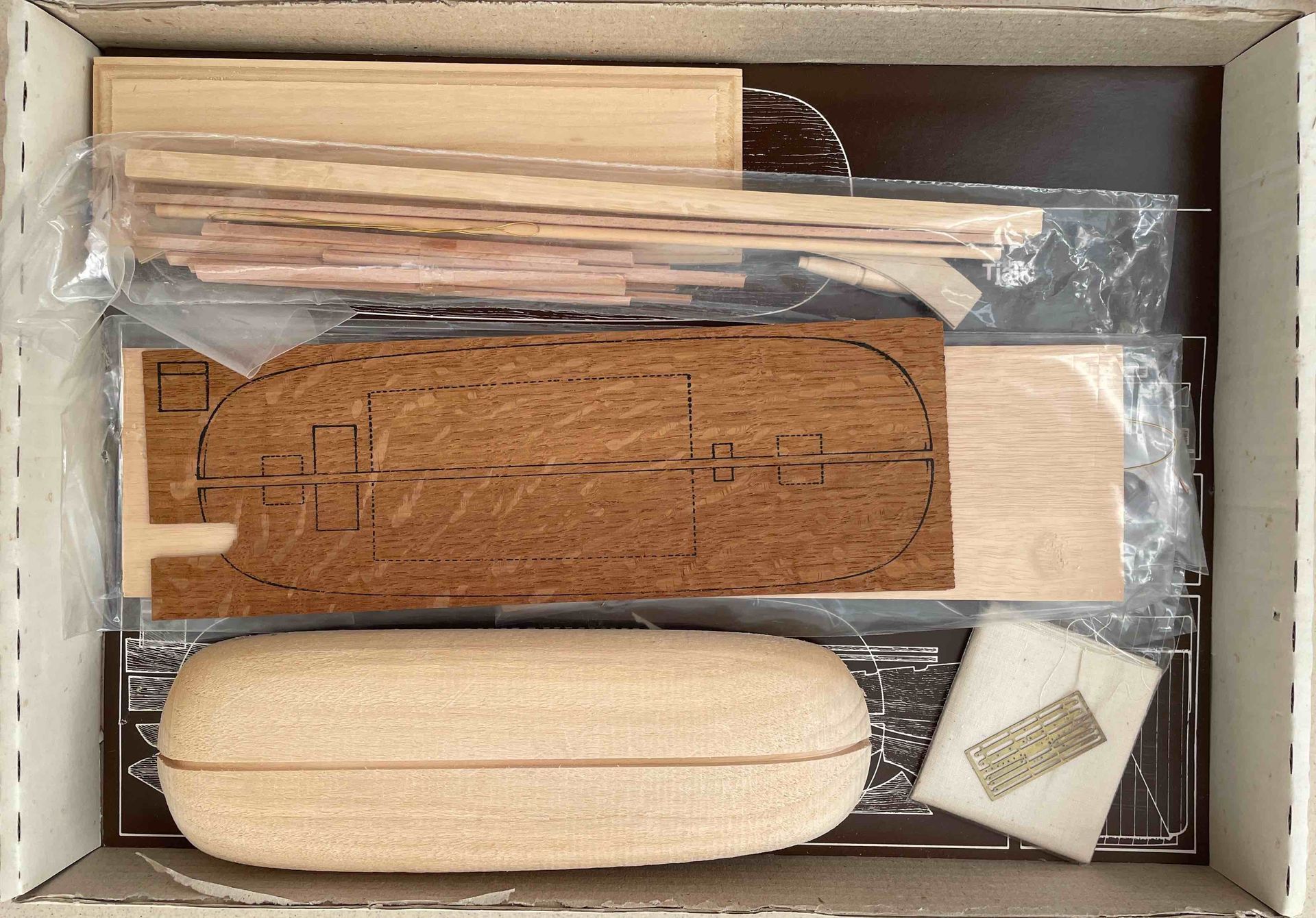
As a company, Sliedrecht Speelgoed possessed expertise and experience in printing on wood. It was therefore a logical step to explore whether they could market this quality and capacity to third parties. In other words, they approached suppliers of dollhouses and model kits to ask if they wished to outsource work. An agreement was reached with Authentic Shipmodels (Amsterdam), a company that manufactured model ships for the high-end segment of the toy market—offering kits ranging from €750 to €2,000, alongside numerous individual parts for embellishing the vessels. Sliedrecht Speelgoed’s role was initially limited to printing the wooden components.
Later, in consultation and collaboration with this company, they began manufacturing and selling ship models themselves. Under the slogan "Hobby in Wood," a series of 1:40 scale ships was launched: a *boeier*, a *botter*, a *tjalk*, and a *veerschuit* (ferry barge).
At a price equivalent to €800 per model, this represented a substantial sum.

This series impressed the jury for the 1981 "Toy of the Year" award, with the (Zuiderzee) *botter* taking the prize.
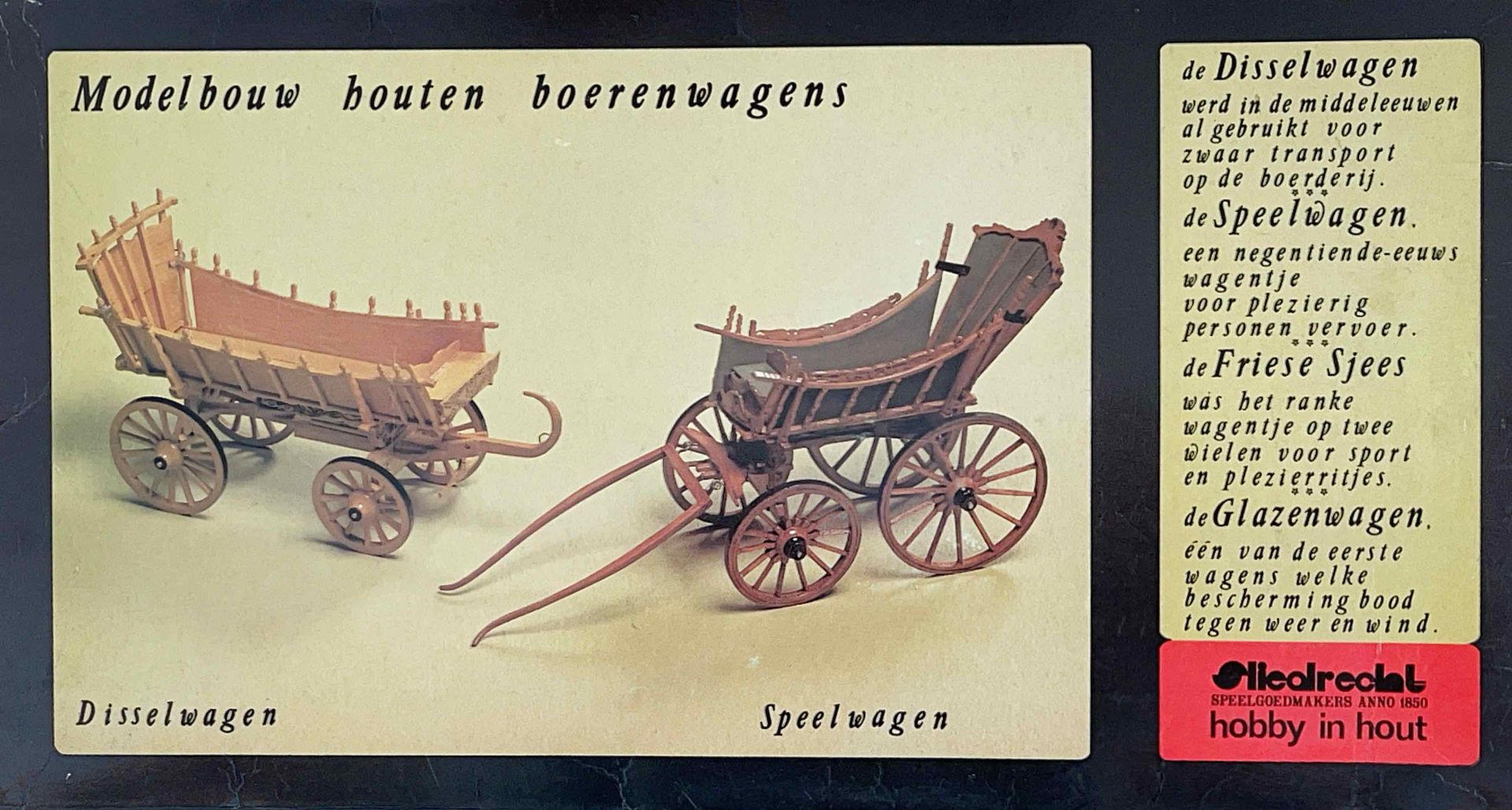
The product range was expanded to include model kits for horse-drawn carriages—all meticulously measured in museums and produced at 1:10 scale. This resulted in a series of four models: a *disselwagen* (shaft wagon), a glass coach (modeled on a royal original), a *sjees* (chaise), and a *speelwagen* (pleasure carriage).
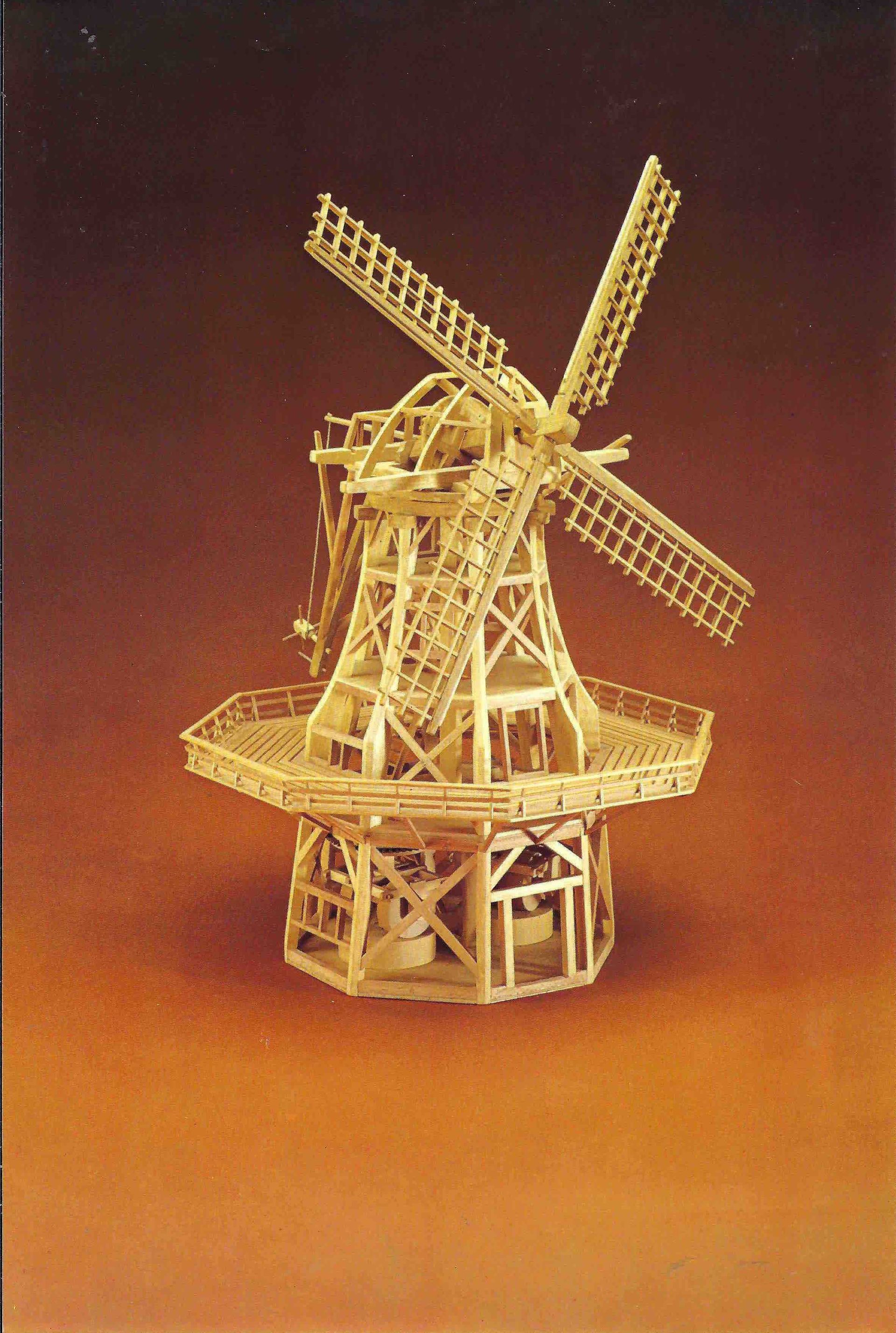
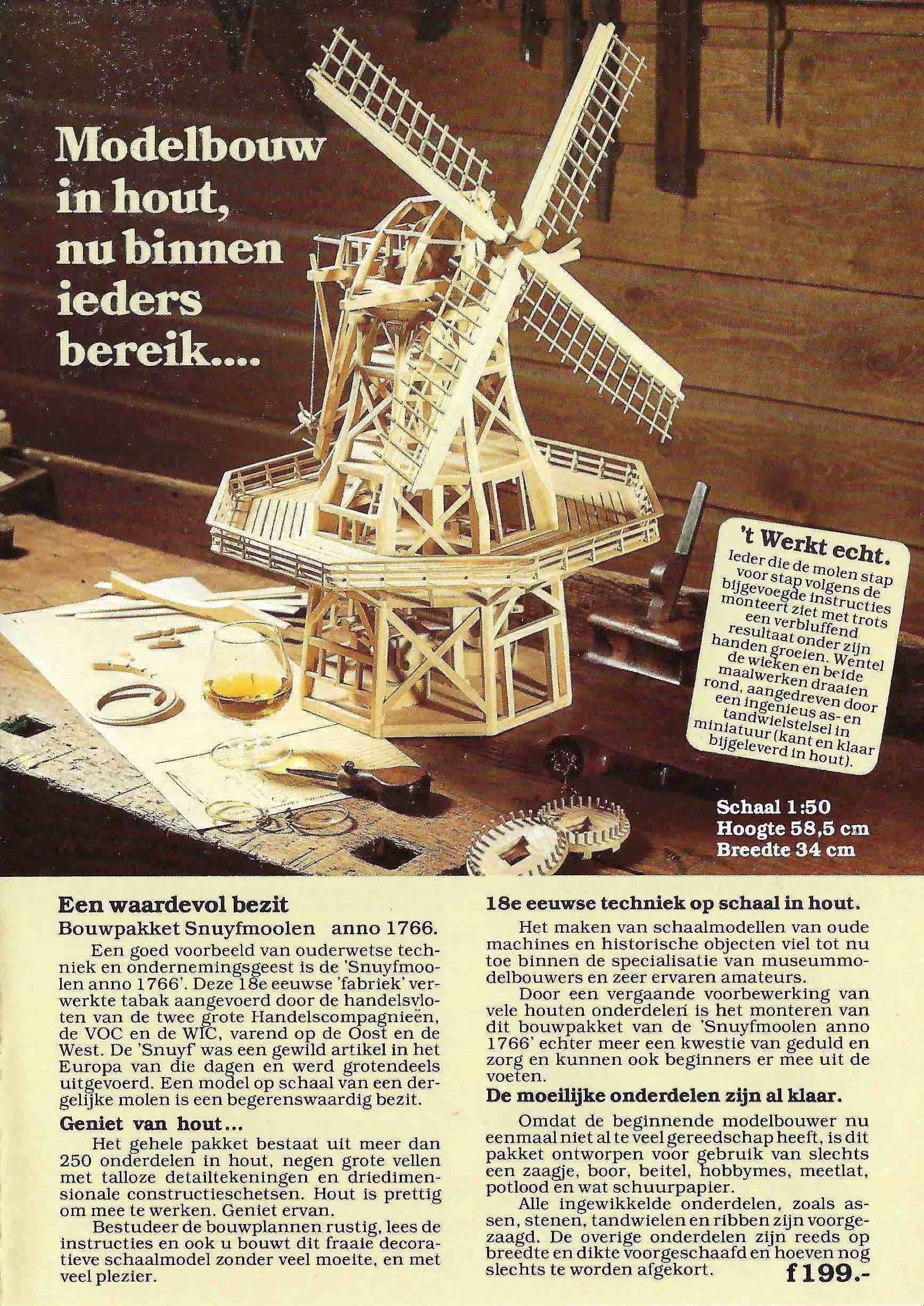
The snuff mill (1:50 scale) and the printing press were of exceptional quality; both models featured moving parts.
As for the price? It was around €2,500 (adjusted to 2026 values). These were rare toys intended, quite reasonably, for the elite rather than for children. .
Gymnasium equipment
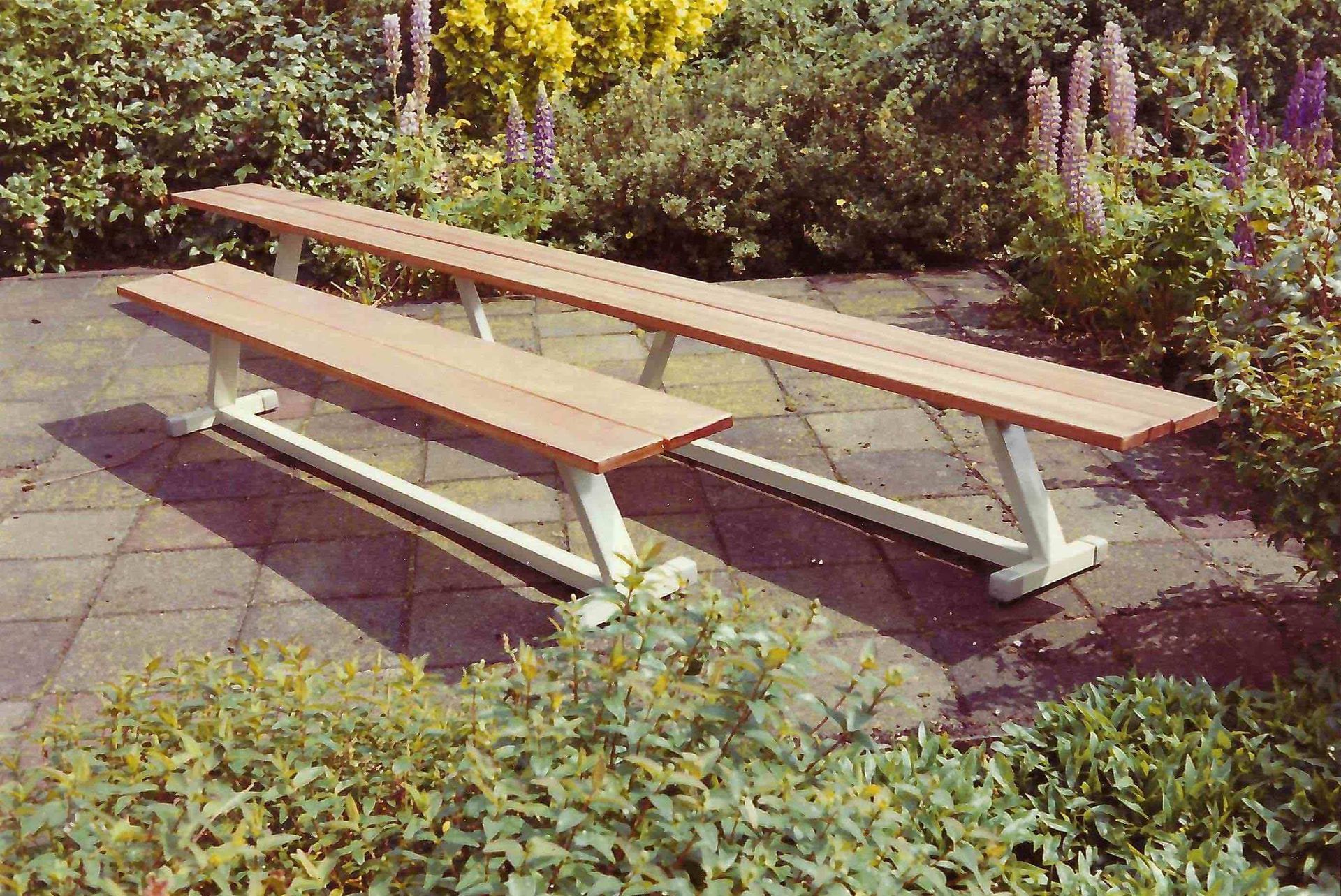
Benches, clubs, hoops, wands, rings, rope ladders, wall bars. Sliedrecht Speelgoed offered a wide range of wooden gymnasium equipment.
For gymnastics apparatus (vaulting box, parallel bars, vaulting horse, and pommel horse), customers were referred to their counterpart Janssen-Fritsen (Helmond)
Seeing, knowing, searching, and finding
A website is for viewing, browsing, reading, and discovering what is interesting or useful. To that end, this site features five pages, which can be found in the top navigation bar. Below, there are six buttons; a single mouse click downloads a Word file containing further details or specific information. This text was translated from Dutch to English using Google Translate, which may have resulted in errors or awkward phrasing. In total, there are 125 pages of content available for reading and printing. The text and images will be updated as long as the website remains active.