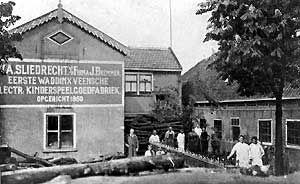
Toyfactory Sliedrecht formaly J.Bremmer
(source: family-archive Sliedrecht)
1850-1875: Jan Bremmer
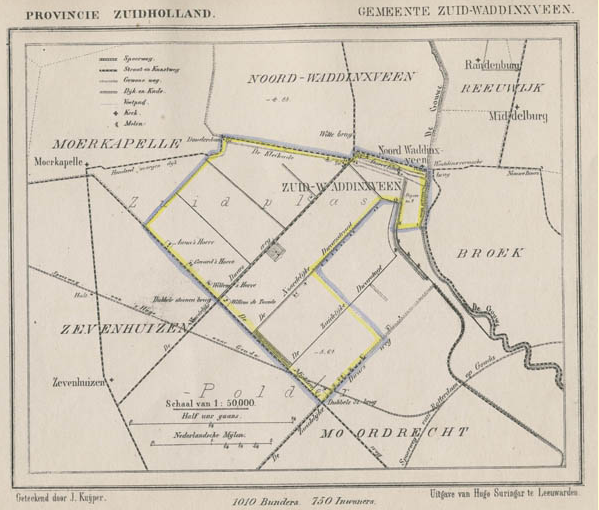
1850
Waddinxveen, a village on the Gouwe—a river with clean water—on the outskirts of the city of Gouda. It is therefore not all that surprising that there were windmills there. These windmills were used not only for drainage but also for the paper industry and, later, the wood-processing industry. The supply of wood and the shipment of products were therefore no problem. In those days, there was no electricity for lighting, heat, or power. Sawmills and manual labor turned trees into beams and large planks. Planes, chisels, and knives were used for finishing.
The sawing, cutting, filing, sanding, and painting of wooden toys was, from a commercial standpoint, a side business. It was work for quiet moments and a useful activity for the winter months.
Jan Bremmer, born in 1820, was initially a “carpenter’s apprentice” in Broek (Waddinxveen-Zuid). He founded his wooden toy workshop in 1850. His carpentry work consisted of utilitarian items for the farm, transportation, or the home. Sales channels were short back then. Bremmer sold his wares directly to farmers and other business owners. Upon delivery, he noticed that the children were using “miniatures” to reenact their parents’ world. This led to a growing selection of rakes, shovels, buckets, ironing boards, and (farm) wagons. Call them toys. The toy factory grew steadily in terms of the number of employees, but also by outsourcing work to home-based workers.
Back then, wooden toys were made from wood that was easy to carve, such as ash, willow, and poplar—basically, the kind of wood used for clogs. Jan Bremmer was one of the first to choose natural oak—a somewhat more difficult-to-work-with, but also more durable, type of wood. A choice that was perhaps intended to stay one step ahead of the competition. Beech wood was considered disposable back then: after drying, it would shrink by as much as 15% and warp. No, it wasn’t until the “invention” of steamed beech wood that this type of wood gained popularity.
The sons, Cornelis and Daniel, worked in the toy factory. There is no clear indication of the exact moment when management was handed over to them. In a family business, this happens gradually. The year 1875 is generally accepted as the date, but that is nothing more or less than an average of various points in time.
1875-1910 Cornelis and Daniël Bremmer
1875
Jan Bremmer was thirty-four years old when his son and intended successor, Cornelis (1854), was born. It must be said: he was a father at a relatively late age. However, many Bremmers—both men and women—lived past the age of 80, so it was a robust family. Three years later (1857), Daniël was born. Both sons grew up in the toy workshop and were registered as toy makers in the municipality of Broek. It is not known whether the third son, Pieter—listed in the records as a wood turner—was also involved in the toy factory.
1881
In 1881, Daniël Bremmer started his own carpentry business in Waddinxveen Noord. Cornelis married later in life, and the family waited for a son—a son who, according to tradition, would ensure succession and continuity, thereby securing the old age of Jan Bremmer (and his sons). But that moment was a long time coming. It was not until 1907, when Jan Bremmer was well past eighty, that his grandson Jan Bremmer was born. His son Daniël had a different fate. After three stillborn girls and a daughter who died young, Marius Daniël was born in 1894, followed a year later by Jan Nicolaas. The Bremmer grandchildren were still far from ready to succeed their father. Against this backdrop, it is plausible that they envisioned a different future for both companies.
Founder Jan Bremmer died in 1909.
1908
In or after 1908, Cornelis Bremmer sold the toy factory to the brothers Willem Adrianus and Hendrik Willem Sliedrecht, two men they knew from the local area and the Reformed Church in Waddinxveen. The transfer was completed over the next two years..
Willem Adrianus Sliedrecht
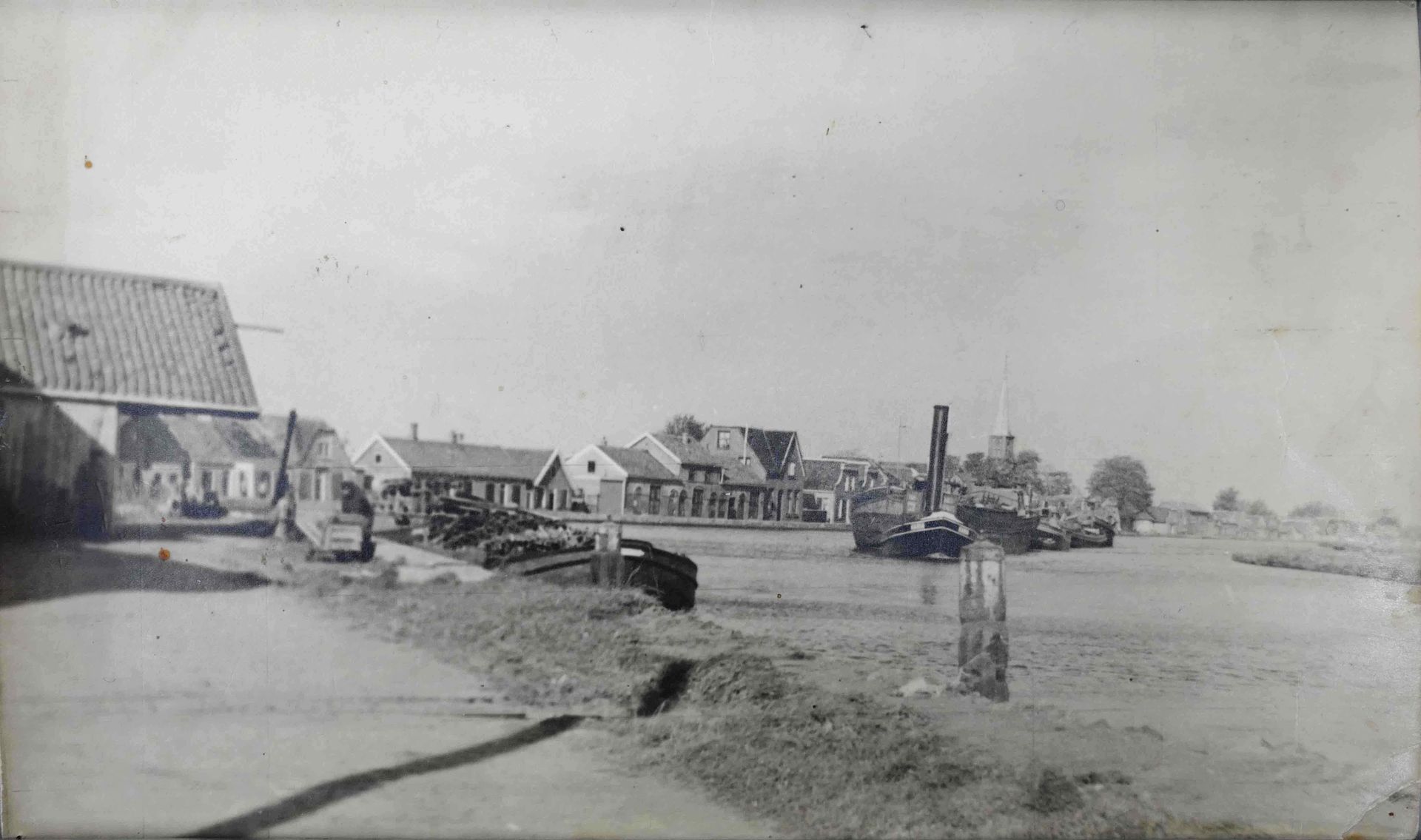
The Gouwe with the trolley track on the left for transporting wood from a ship to the factory
(source: Sliedrecht family archive)
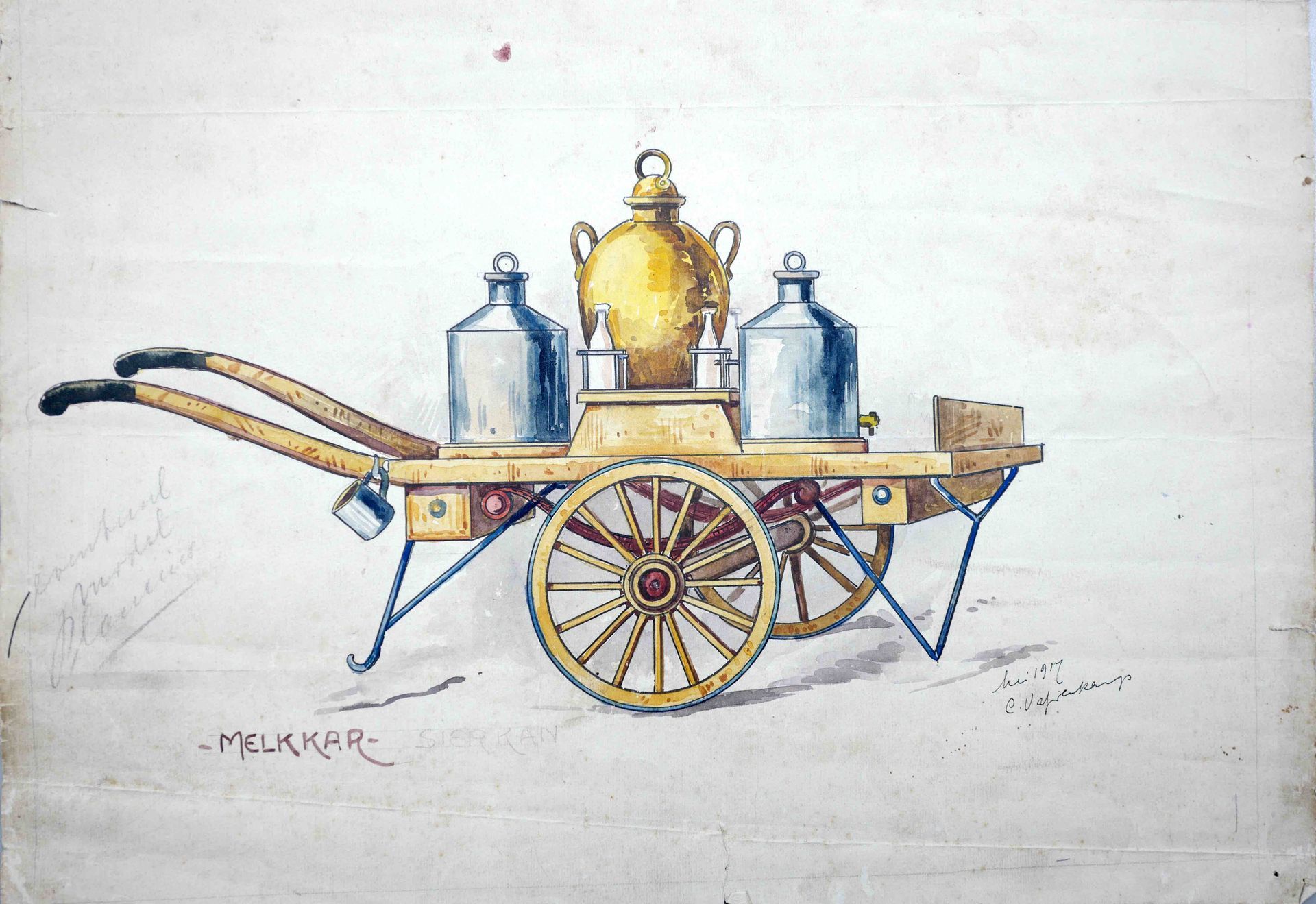
design drawing of a milk cart (1917)
(source: Sliedrecht family archive)
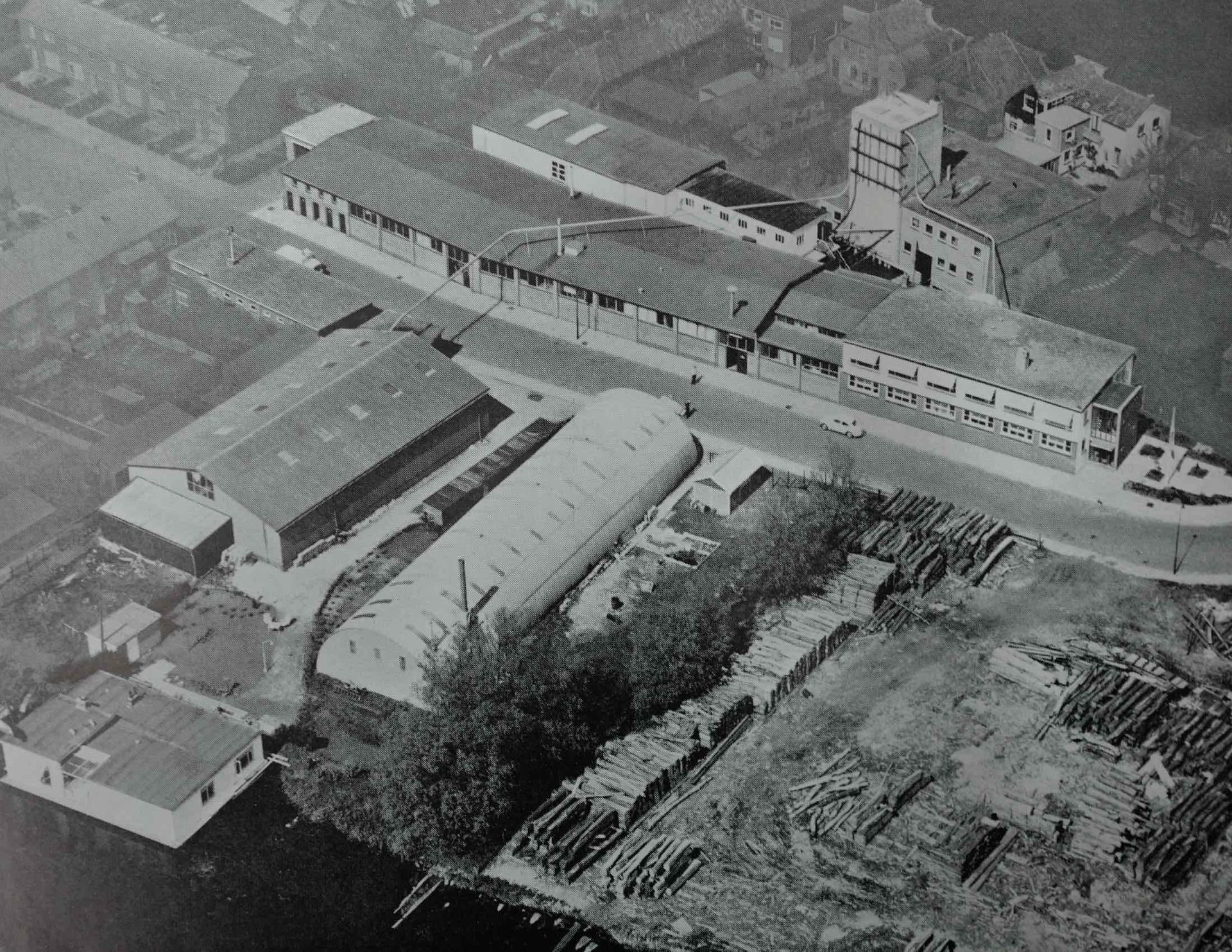
the industrial site intersected by St. Victor Street
(source: Sliedrecht family archive)
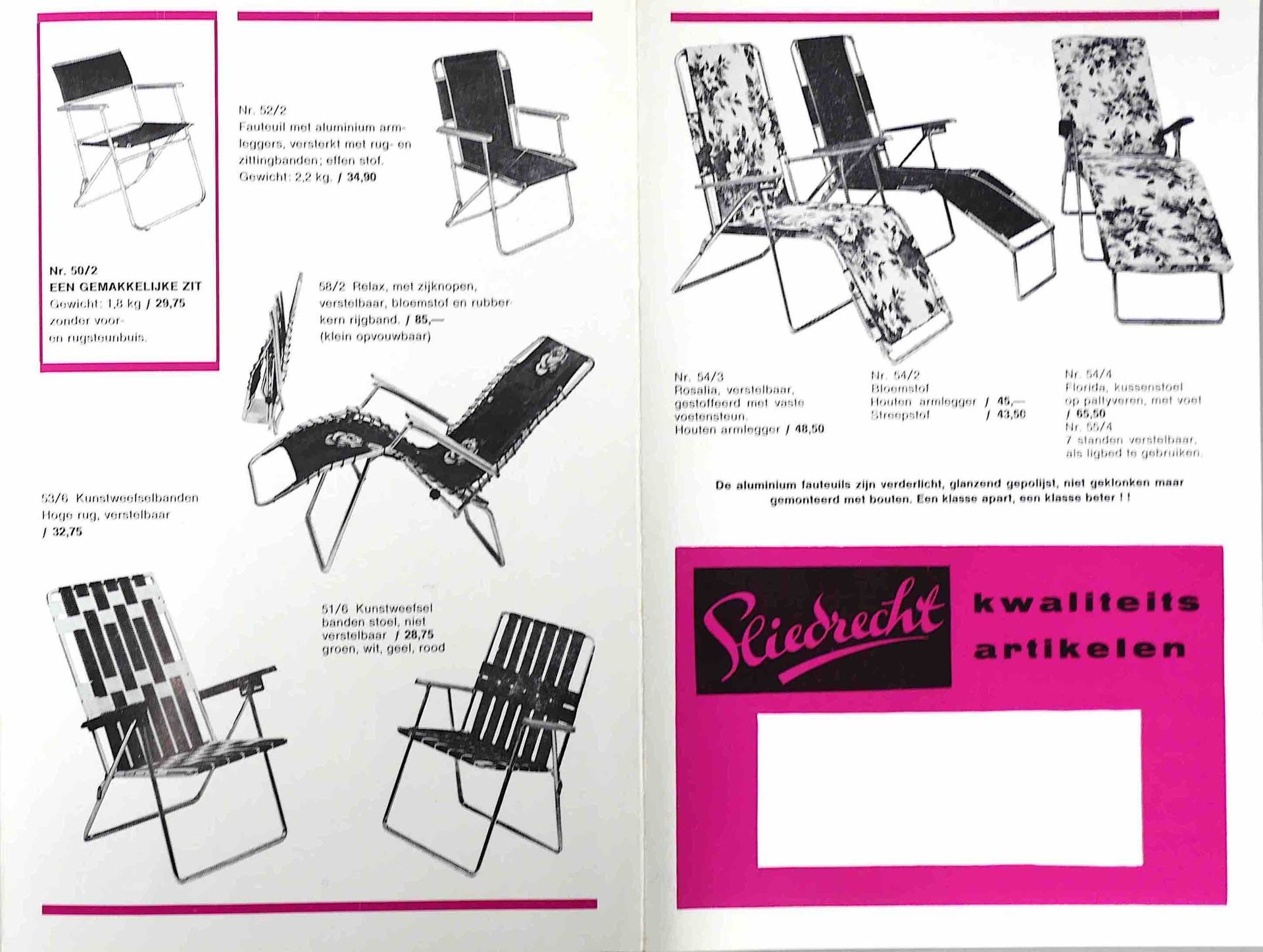
brochure aluminium furniture
(source: Sliedrecht family archive)
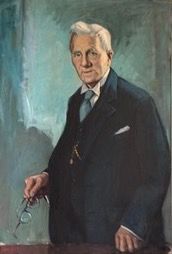
portret Willem Adrianus Sliedrecht
(source: Sliedrecht family archive)
1850>>
Around 1860, Pieter Sliedrecht moved from Boskoop to IJsselmonde. He was a carpenter by trade. Together with his wife, Trijntje Hendrika de Jong, they ran Café De Vergulden S in Barendrecht and raised a family. It was a large family of 18 children, some (8) of whom died young. Willem Adrianus (1882) was one of his sons. In IJsselmonde, he met the young Jannetje Staat (1892). She, too, came from a large family. She was 18 years old when they married. It is likely that they chose a future together outside of IJsselmonde. Willem Adrianus was in the trade business, knew the toy industry, and had family in Waddinxveen and the surrounding area.
He borrowed money from his older brother Gijsbert, a successful tree nursery owner in Boskoop. Together with Hendrik Willem Sliedrecht, another older brother, he purchased the toy factory of the same name from Cornelis and Daniël Bremmer in or after 1908. In the years that followed, the transfer of ownership from Bremmer to Sliedrecht was completed. They had clearly divided roles: Willem Adrianus was the businessman and Hendrik Willem the craftsman. Apparently, their partnership was on the rocks: in 1922, Hendrik Willem left the company and set up shop as a carpenter in Rotterdam. It wasn’t until 1923 that the company was (required to) register with the regional Chamber of Commerce in Gouda.
1925
Around 1925, Waddinxveen was connected to Gouda’s electricity grid. First came street lighting and industry, followed later by residential homes. This provided industry with access to power and heat sources (then still at 110 volts), including the Sliedrecht firm. Willem Adrianus seized this opportunity to begin what is now called “automation.” This required a new factory building, which was completed in 1930. Willem Adrianus proudly had the following inscription carved into the facade: W.A. Sliedrecht, formerly the firm of J. Bremmer, First Waddinxveen Electric Children’s Toy Factory, founded in 1850. Address: Zuidkade 229.
1940
Little is known about the years before and after World War II. The occupying forces granted the company permission to use electricity at set times and to manufacture clogs by machine. The availability of electricity and the lack of supervision made it possible to continue making toys, although it should be noted that toys were not a priority during the final years of the war.
The real problem, however, was the scarcity of materials. During and after the war, steel and copper were hard to come by.
1947
That year, Willem Adrianus turned 65, but there was no such thing as a state pension at the time. He familiarized his sons Pieter (1914), Teunis (1922), and Gijsbert (1925) with all aspects of the work and business operations. Thus, a family business was established, with the caveat that, at that time, succession followed the male line. The talents of the Sliedrecht sons were put to practical use: Pieter, the salesman, visited toy stores and beach pavilions with a car full of merchandise. Teunis served as operations director, and Gijsbert focused on designing toys and solving technological problems.
1954
Waddinxveen undertakes a large-scale new construction project on the south side. With some reluctance, the Sliedrecht company sells a strip of land located between the Gouwe and the Ringvaart, running straight across its own property. The access road is named after the church and the neighborhood. This gives the Sliedrecht company a spacious rear entrance, which also becomes its mailing address: St. Victorstraat 54.
1955
In the mid-1950s, the company’s best decade began. Postwar reconstruction had brought prosperity, leisure time, and recreation to the Netherlands. The Sliedrecht company had already enjoyed some success with its beach products, such as beach chairs, buckets, and shovels. Once it succeeded in bending and joining tubes made of the new material, aluminum, the Sliedrecht company introduced a wide range of beach and camping items to the market. Willem Adrianus’s health began to decline in the late 1950s. His three sons, Pieter, Teunis, and Gijsbert, took over the leadership as a team. The exact date is unknown.
Pieter, Teunis and Gijsbert Sliedrecht
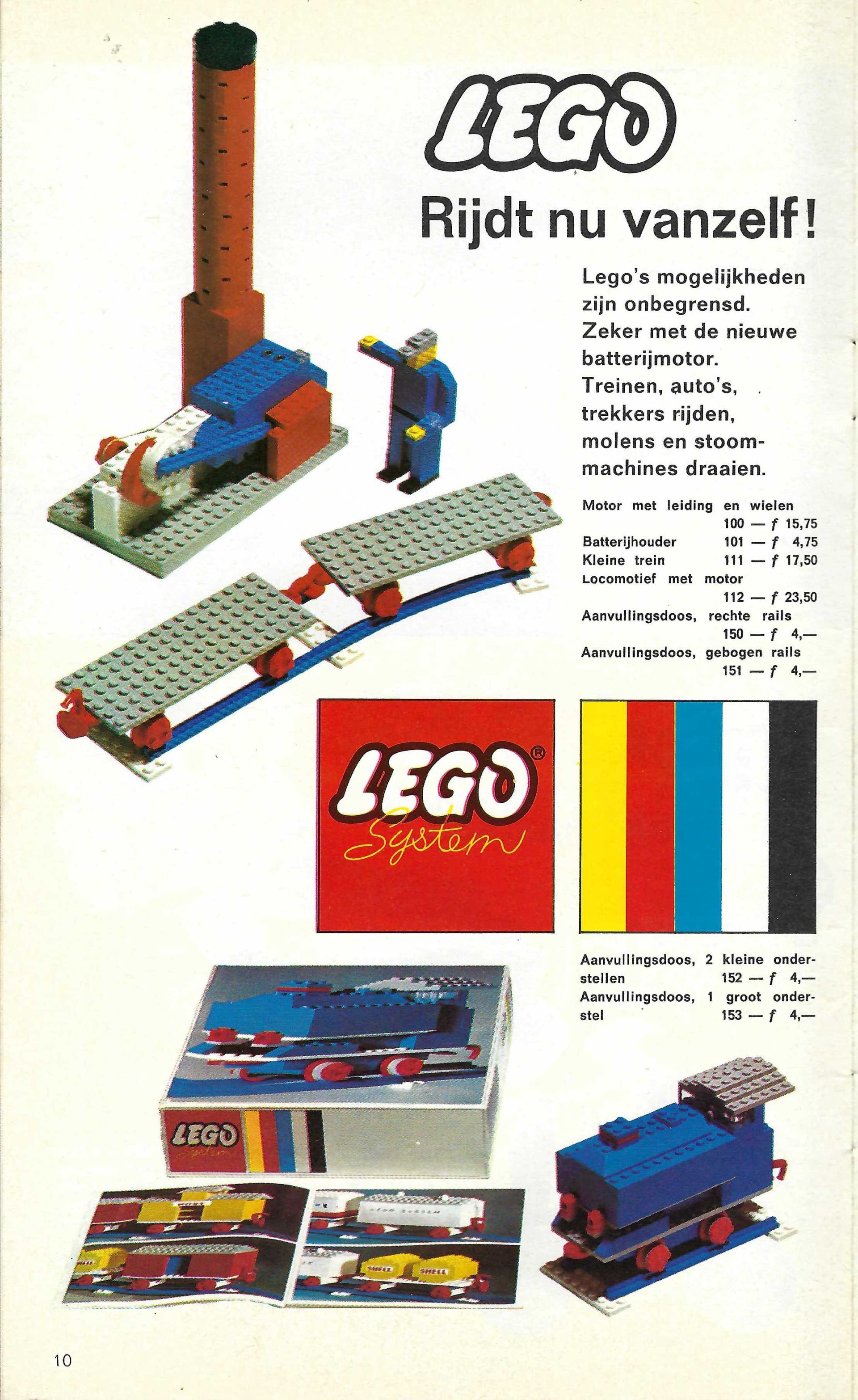
It was not until the mid-1960s that importer Hausemann & Hötte included the by then electrified Lego in its toy catalogs.
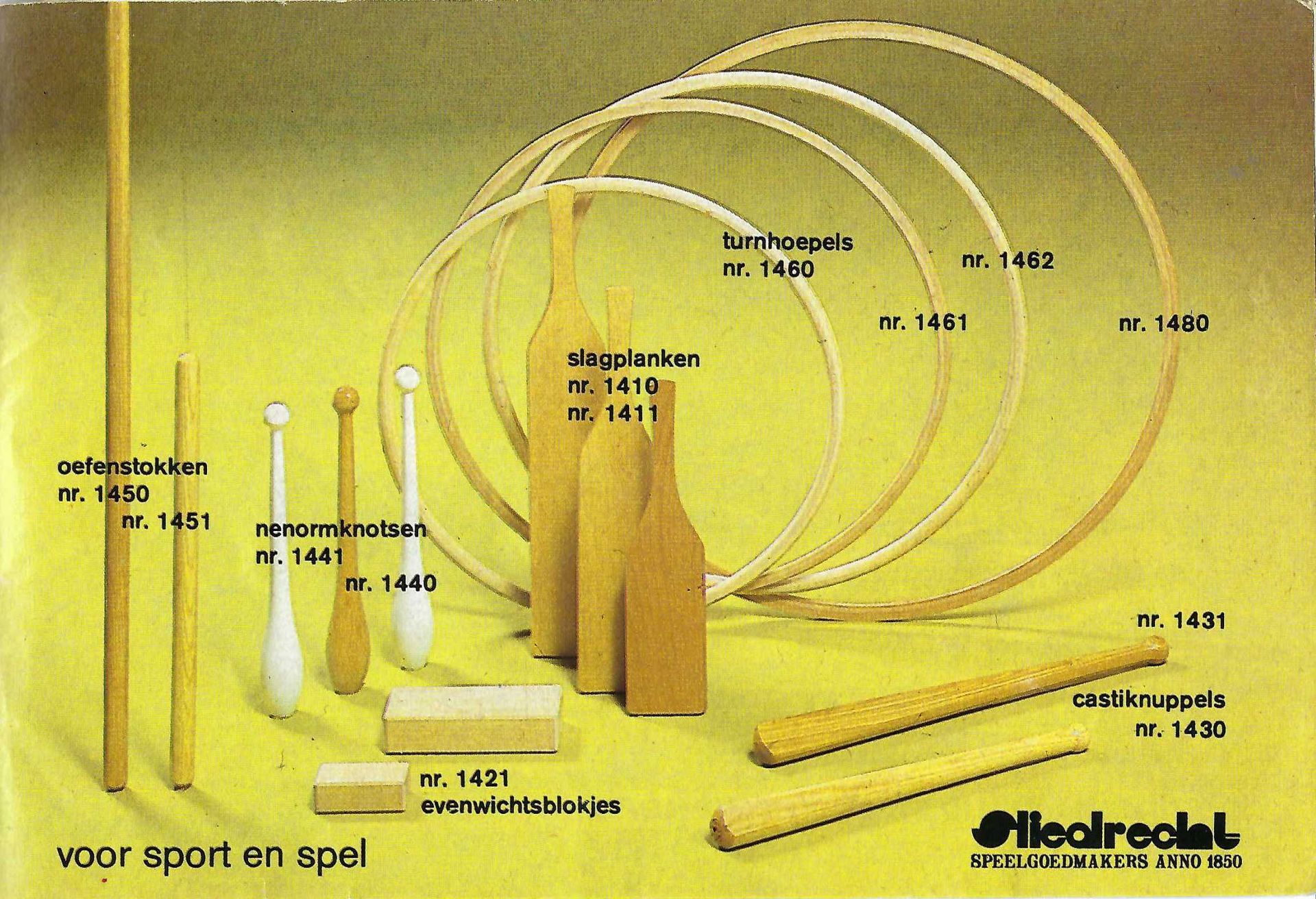
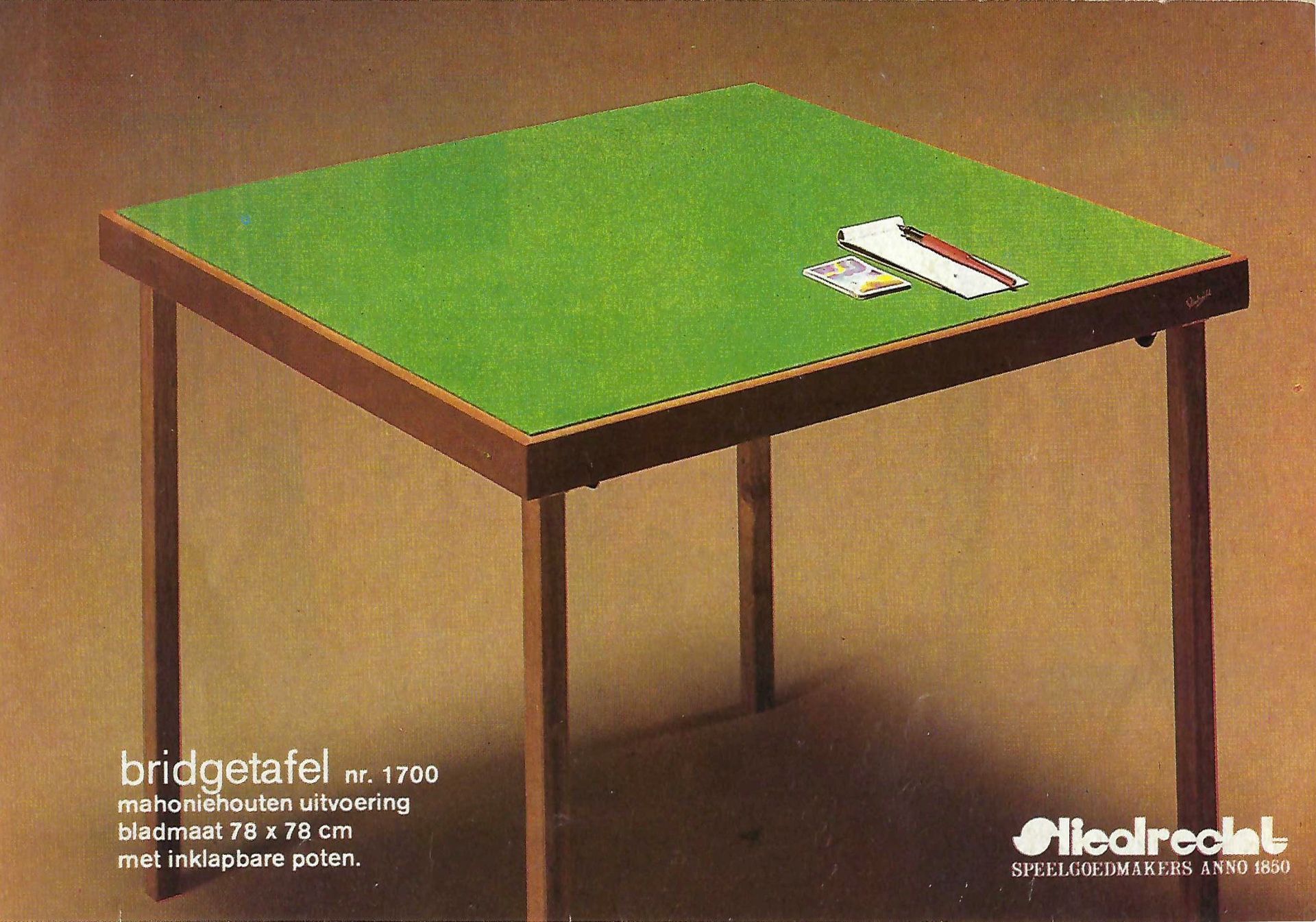
Clubs, hoops, and sticks for the gymnasium, and the iconic bridge table for home and the club (1977).
(source: Sliedrecht brochure, family archive)
1958
A Danish maker of wooden toys used the brand name Lego. In 1948, he experimented with a hard, dimensionally stable plastic, namely cellulose acetate. It became a system of hollow blocks with studs on top to click the bricks into place. Not very stable. The name? Lego ! Major success failed to materialize until 1958, when tubes were added to the underside of the plastic blocks into which the studs fitted. A year later, Lego was available for sale in the Netherlands. The first Lego had a bad reputation at the time. The bricks discolored in daylight, dried out, and crumbled. In 1963, the switch was made to ABS, the ideal plastic: no shrinkage, colorfast, no brittle fractures. It seems unimportant, but still: Lego introduced matching cars on steel wheels, allowing even non-builders to enjoy playing. This Lego rapidly conquered Europe and America, followed by the rest of the world. And how was Lego viewed in the Netherlands? The major toy chains and department stores sensed Lego's success coming and included Lego in their December 5th booklets with a delay.
The newly appointed management followed these developments skeptically. There was a critical attitude combined with the conviction that beechwood products for home and school, as well as aluminium furniture for recreation, provided a sufficient guarantee for the continuity of the company. But things turned out differently.
After the Second World War, Germany still had a strong metal industry. It was forbidden to manufacture weapons and aircraft. But then again, recreational furniture required no permission. The Sliedrecht firm had no answer to this influx of efficiently produced furniture and saw its market share decline. The Eastern Bloc countries produced wooden toys unnoticed at low costs. Buying was cheaper than manufacturing. And from the Asian countries came a tsunami of tin toys to Europe. All Dutch toy manufacturers were surrounded by multifaceted means, and that was quite apart from computers and games. And what about Sliedrecht?
Yes, the company was successful with a wide range of products. Schools could turn to them for clubs, hoops, sticks, benches, and climbing frames. Clubs could turn to them for billiard tables, cues, and square bridge tables. And for the domestic market, there was, if anything, even more: shuffleboards, pins, rings, sleds, wagons, blackboards, children's furniture, building blocks, stilts, and beach chairs. People spoke disapprovingly and arrogantly about dumping prices, counterfeit toys from Eastern Bloc countries, plastic toys from Asian countries, and electrified, and later digitized, toys. Not explicitly stated, but still something like "just give us beechwood."
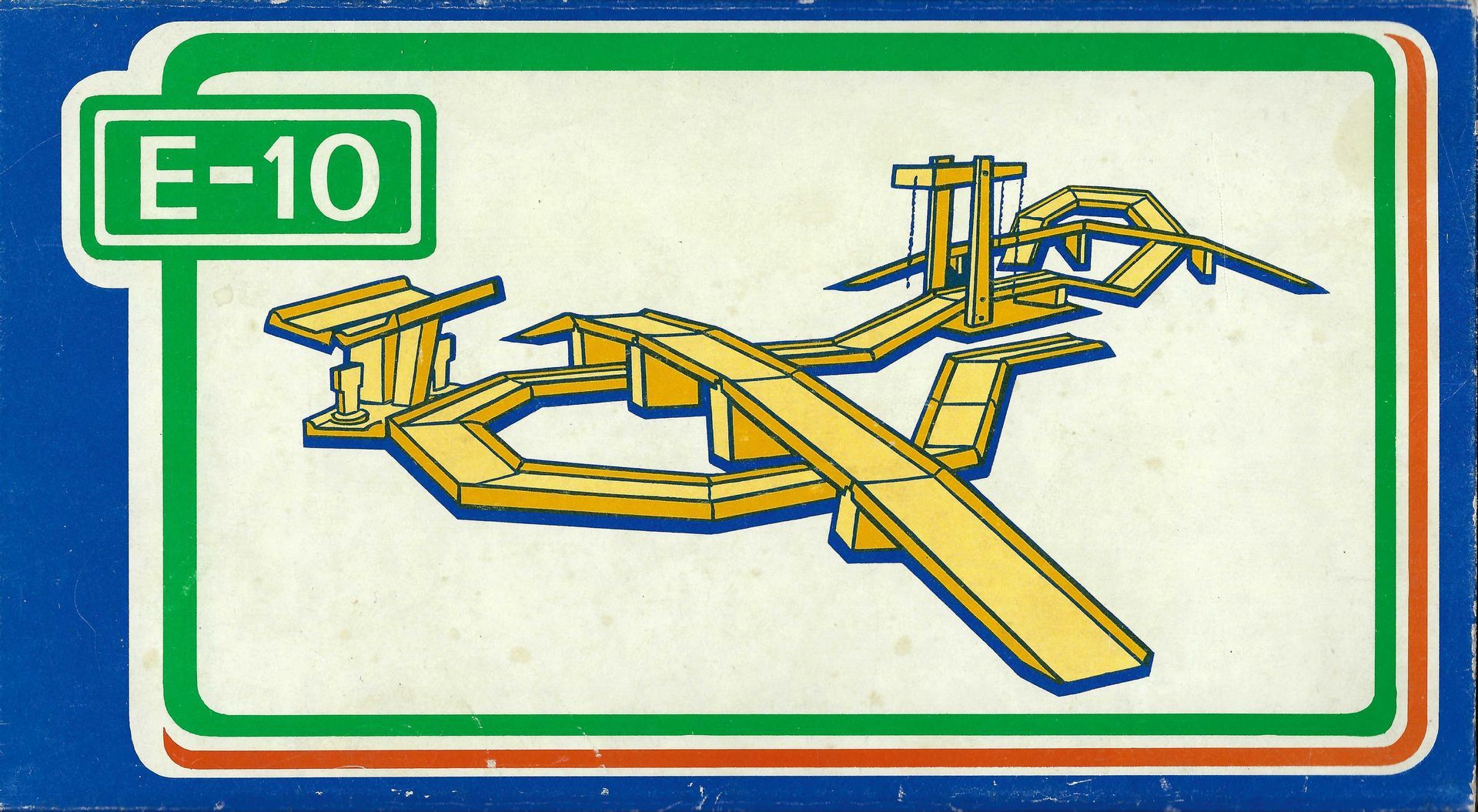
the first box of the E10 road system
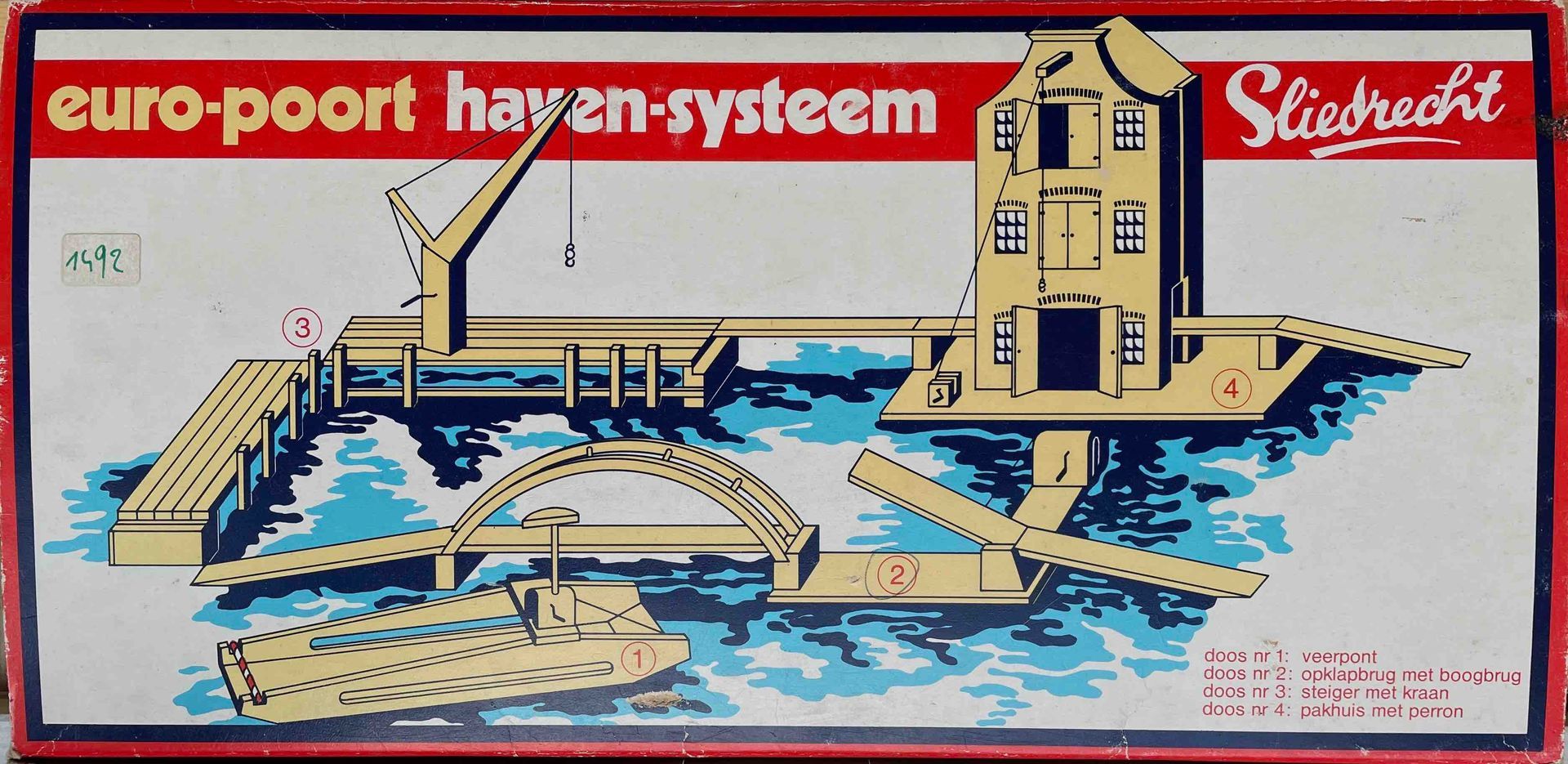
the first box of the Europoort Harbour System
nablussen van de grote brand (1963)
(bron: familie-archief Sliedrecht)
1961
The founder Willem Adrianus Sliedrecht passes away. From that moment on, his three sons Pieter, Teunis, and Gijsbert form the management team. The toy factory is and remains a general partnership
1963
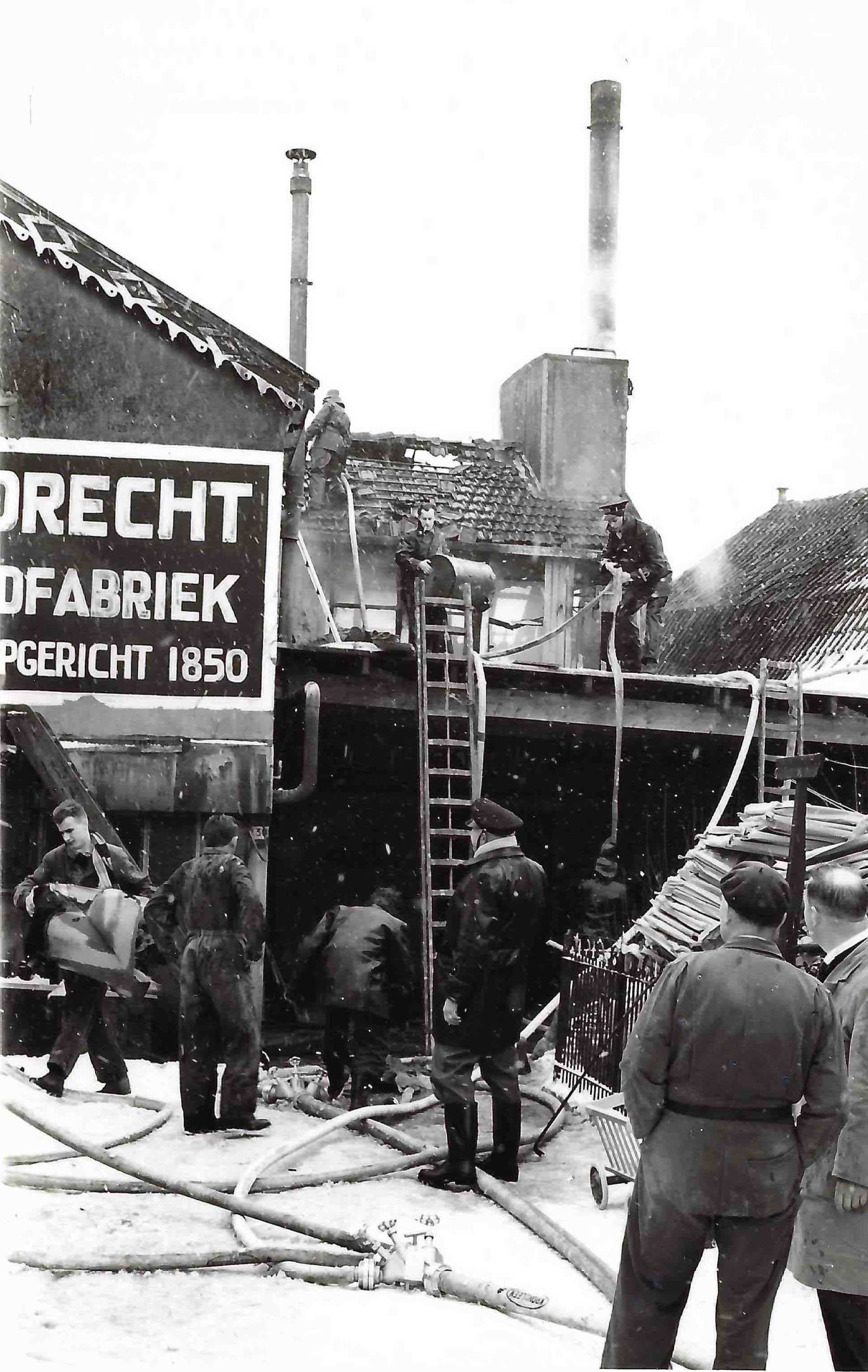
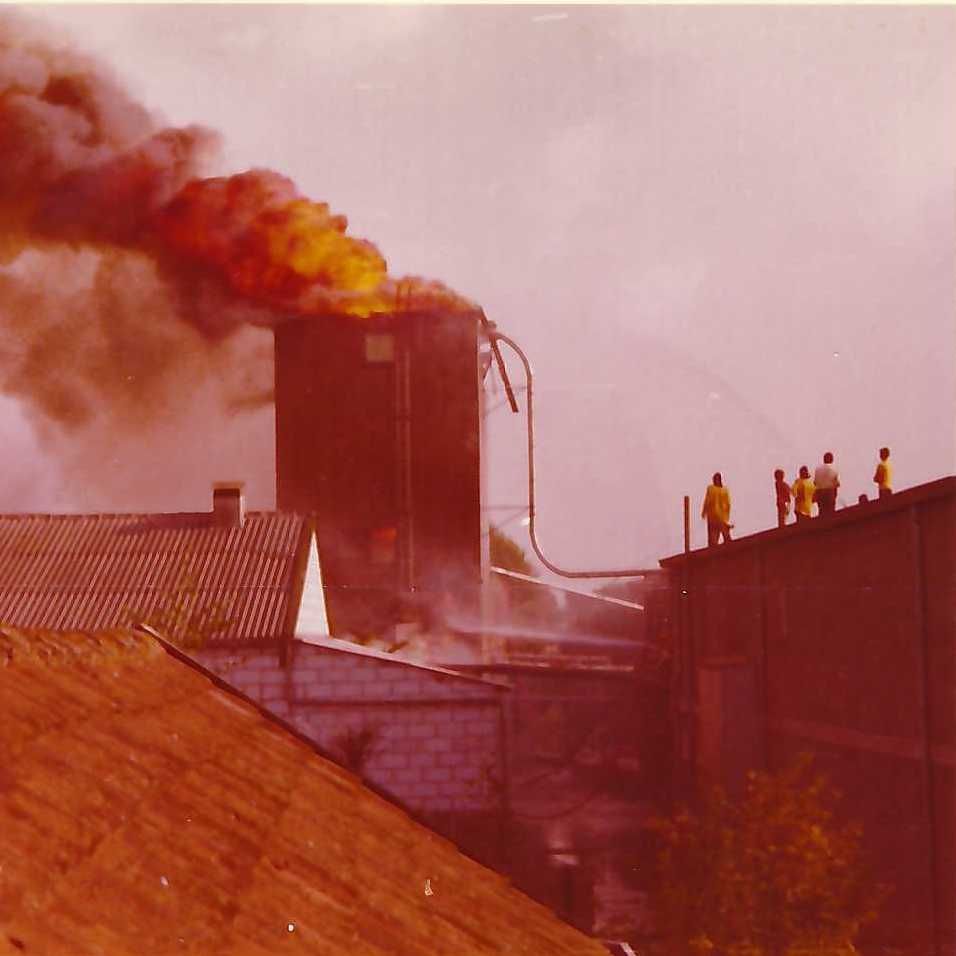
February 1963. A fire breaks out in the warehouse. Wood, packing materials, and stocks of packaged toys go up in flames. The business losses are substantial but manageable. Worse is that the offices above—containing the archive of all design drawings, all photographs, and all display cases featuring warehouses and carriages—the heart of the family business, so to speak—went up in flames. The grief and disillusionment are immense. The production halls and machinery could be saved. Operations could be resumed quickly, and the management saw this moment as an opportunity to combine rebuilding and expansion. During the reconstruction of the collection, buyers are tracked down to photograph the sold models, measure them in detail, and recreate them.
Much attention, energy, and resources were devoted to restoration and new construction so that everything could move forward again. But with the benefit of hindsight, this was precisely the moment not to cling to the past, but to take a step forward. New wooden toys? Yes, why not? New products? That’s also possible, but what then? Given the still-growing leisure market and the company's core competence, this could have been a typical Dutch product: the caravan, for example. But that is not how it went. Thoughts turned to toys, and to safeguard profitability, poorly selling items were slowly but surely removed from the assortment.
1971
Product developer Jaap de Jong and Gijsbert Sliedrecht develop new wooden toys: the E10 Road System . These are beechwood lanes, including bridges, viaducts, and a gas station, that can be simply hooked together. Just a little too small for DINKTtoys, but also a bit too big for Matchboxes. The first sets hit the market in 1972.
More information about the E10 road system can be found under the button at the end of this page.
1972
The Europoort Harbour System is being introduced as an extension of the E10 Road System. It comprises a warehouse, a jetty with a crane, various bridges, a gantry crane, and a ferry. The hook technology and scale of the E10 Road System are reflected in this. The press and the VK jury are full of praise for this concept. More information about the Europoort Harbour System can be found under the button at the end of this page.
extinguishing of the major fire (1963)
(source: Sliedrecht family archive)
brochure Builder Delta (1974)
HRH Prince Bernard on working visit
(source: Martin Droog GC/AD)
1973
September 1973. As Pieter and Teunis walk through the factory hall on Sunday before attending church, they smell a burning odor. Spontaneous combustion has started in the silo where sawdust, wood chips, and wood shavings are stored for the company's heating system. Danger looms. If this bunker, measuring a thousand cubic meters, explodes, then the company and the surrounding area will be in danger. In consultation with the fire departments of Waddinxveen and Gouda, an attempt is first made to prevent the supply of oxygen. Sealing all the holes was supposed to smother and extinguish the spontaneous combustion. It does not work. Water is then sprayed into the silo from above. That, too, is not without danger, as the bunker was not built like an upright swimming pool. This, however, goes well. The company is saved. The silo is not rebuilt. The Sliedrecht firm switches to natural gas for heating.
.
1974
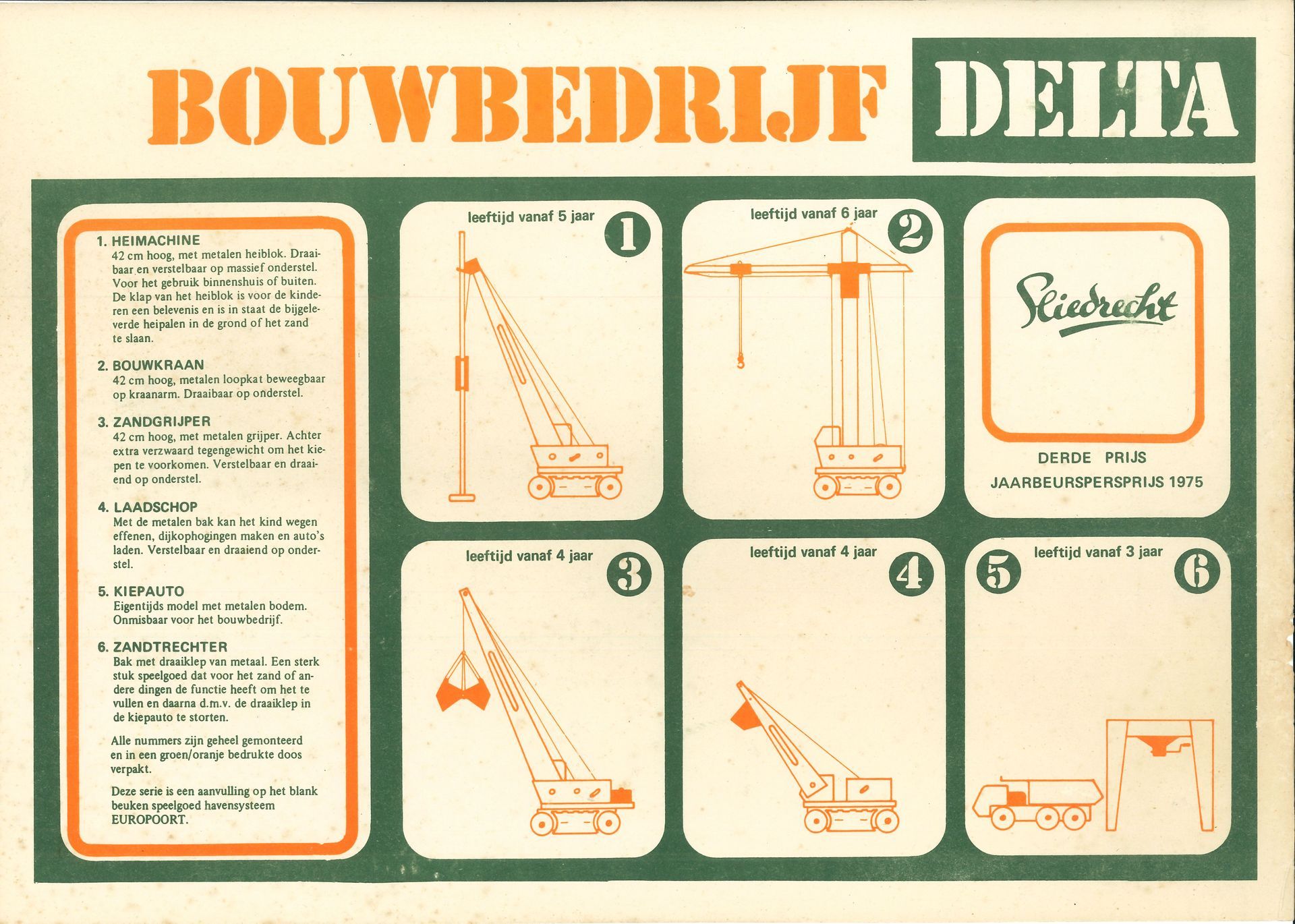
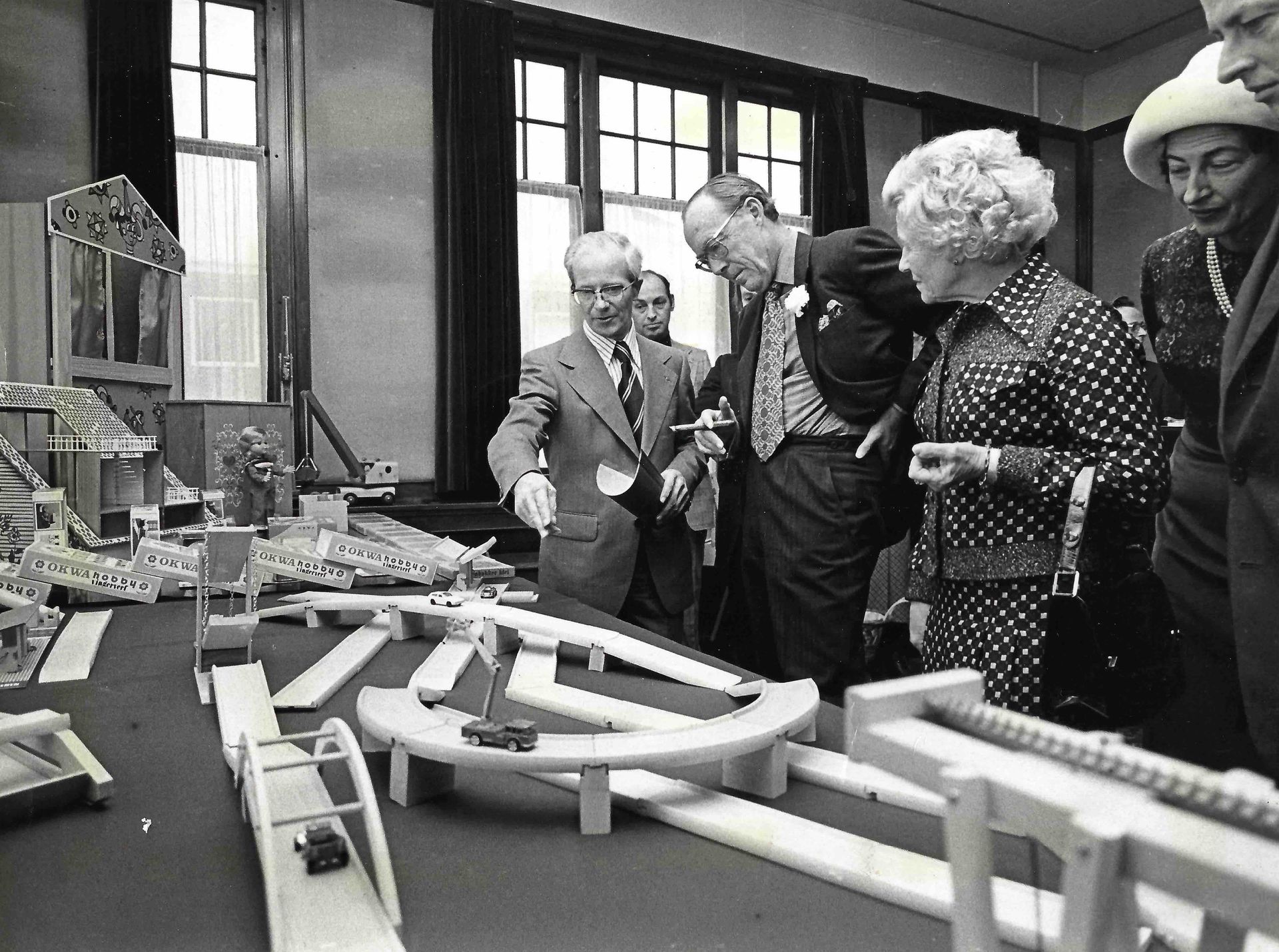
While sales of the E10 Road System and the Europoort Port System turned out to be somewhat disappointing, another product was launched: Bouwbedrijf Delta. A series of six large wooden models with elegant lines—design for the sandbox, so to speak. The models were expensive; it was elite toys. The plug was quickly pulled. More information about Bouwbedrijf Delta can be found under the button at the end of this page. Three disappointments in total. Nevertheless, the management managed to interest Prince Bernard in the Dutch wooden toys during his working visit to Waddinxveen in 1974.
This year, 1974, is also significant for another reason. Without publicizing it and without the knowledge of the staff, Sliedrecht Sliedrecht BV is converted into three BVs, namely Sliedrecht Beheer BV, Sliedrecht Vastgoed BV, and Sliedrecht Speelgoed BV. The latter BV was intended to be the cash generator through importing, in-house manufacturing, and in-house sales.
Teunis and Gijsbert Sliedrecht
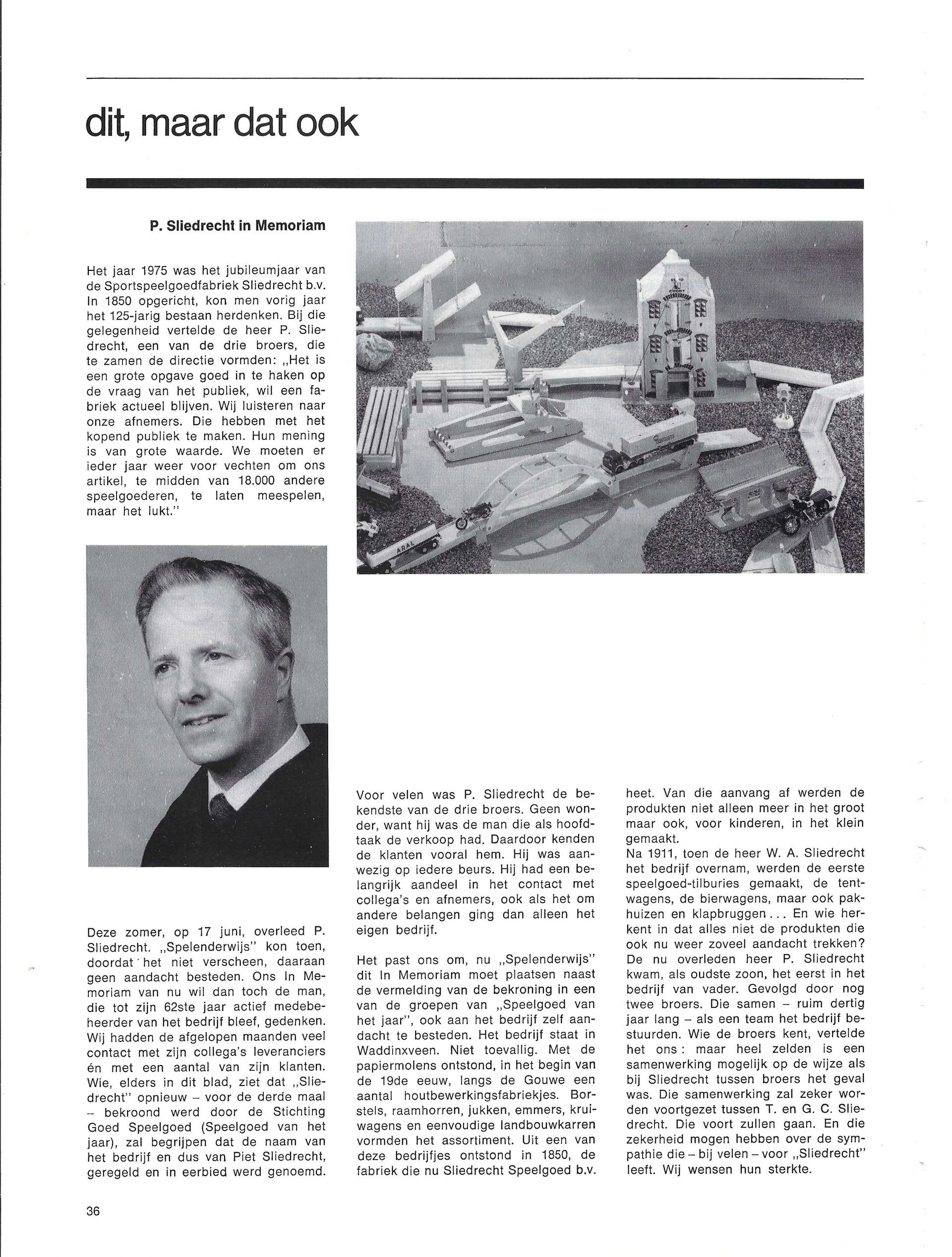
in memoriam from Speelgoed+ Hobby 1977
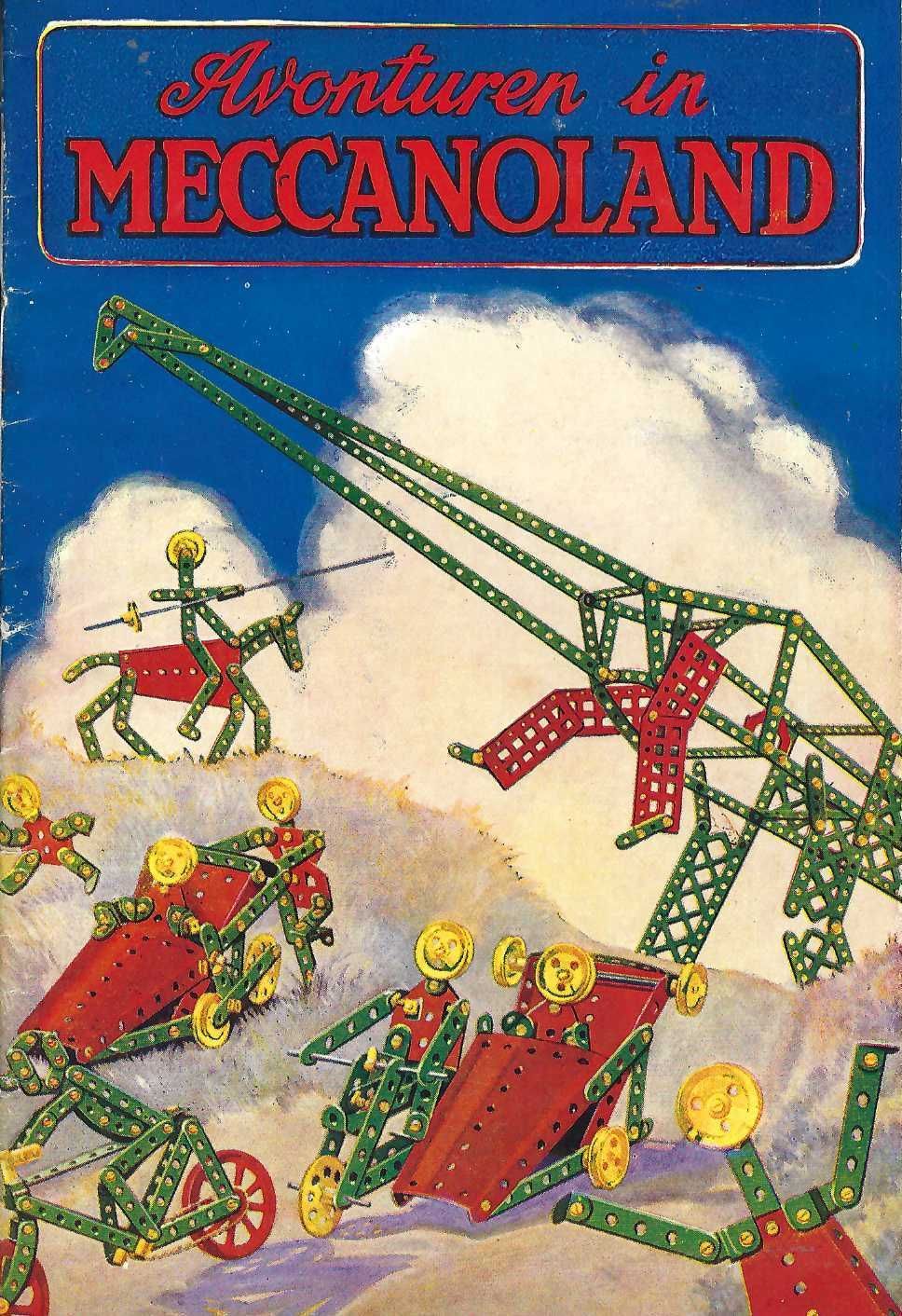
Frank Hornby invented the metal construction kit in 1901. In 1908, he registered the name Meccano.
In 1978, Meccano Ltd. in Liverpool closed its doors.
1976
Pieter Sliedrecht falls ill at the office and dies. The consternation is great.
With his passing, the company loses a director. Not only that: Pieter was the face of the Sliedrecht company at the wholesale level, the toy stores, the beach pavilions—in short, within the network.
The financial situation is becoming more complex. In addition to Willem Adrianus's widow, Pieter's wife and their children are now also entitled to rights. This was not foreseen. Continuing with two directors is manageable. However, to meet all financial, tax, and legal obligations, and to keep the company afloat, a reorganization is necessary. Furthermore, a reallocation of resources is required. The financing of this 'change' will be handled by the AMRO bank. All in all, the 1970s end on a low note. There is a realization that something needs to be done within and with the company Sliedrecht Speelgoed BV. But what?
1978
Plastic toys from Denmark, America, and Asia dominate the European toy markets. The exception to this is model building of trains, airplanes, and boats. Over the years, all Dutch manufacturers of wooden toys (ADO, Nooitgedagt, Okkerse/OKWA, SIO, Simplex, etc.) have gone out of business. Homas and Jumbo are continuing in a streamlined form.
After years of manufacturing toys in-house (DINKYtoys, Hornby trains, and Meccano) and acquiring smaller factories (Bayko, Mogul, Scalextric, Triang, etc.), Meccano Ltd. ran into trouble. Sales declined, inventories mounted, and staff went on strike for months. There was no turning back: Meccano Ltd. went bankrupt. Inventory was bought up, and brand names, patents, and rights spread across the globe. Some business units, such as Meccano France (in Calais), continued independently. This was certainly a reason for Sliedrecht-Speelgoed BV to change course.
1979
Operating results are declining. There is no prospect of rapid improvement. The management and the auditor enter into discussions. At the auditor's suggestion, a team is formed consisting of representatives from AMRO Bank, the government (National Agency for Industry and Design), and the management of Sliedrecht Speelgoed BV. The premise of the recovery plan is that the company must become healthy again through improvement, innovation, and diversification. The team systematically continues working on the recovery plan, a plan in which financing and (re)organization take center stage. A key focus area is the rejuvenation of the management board.
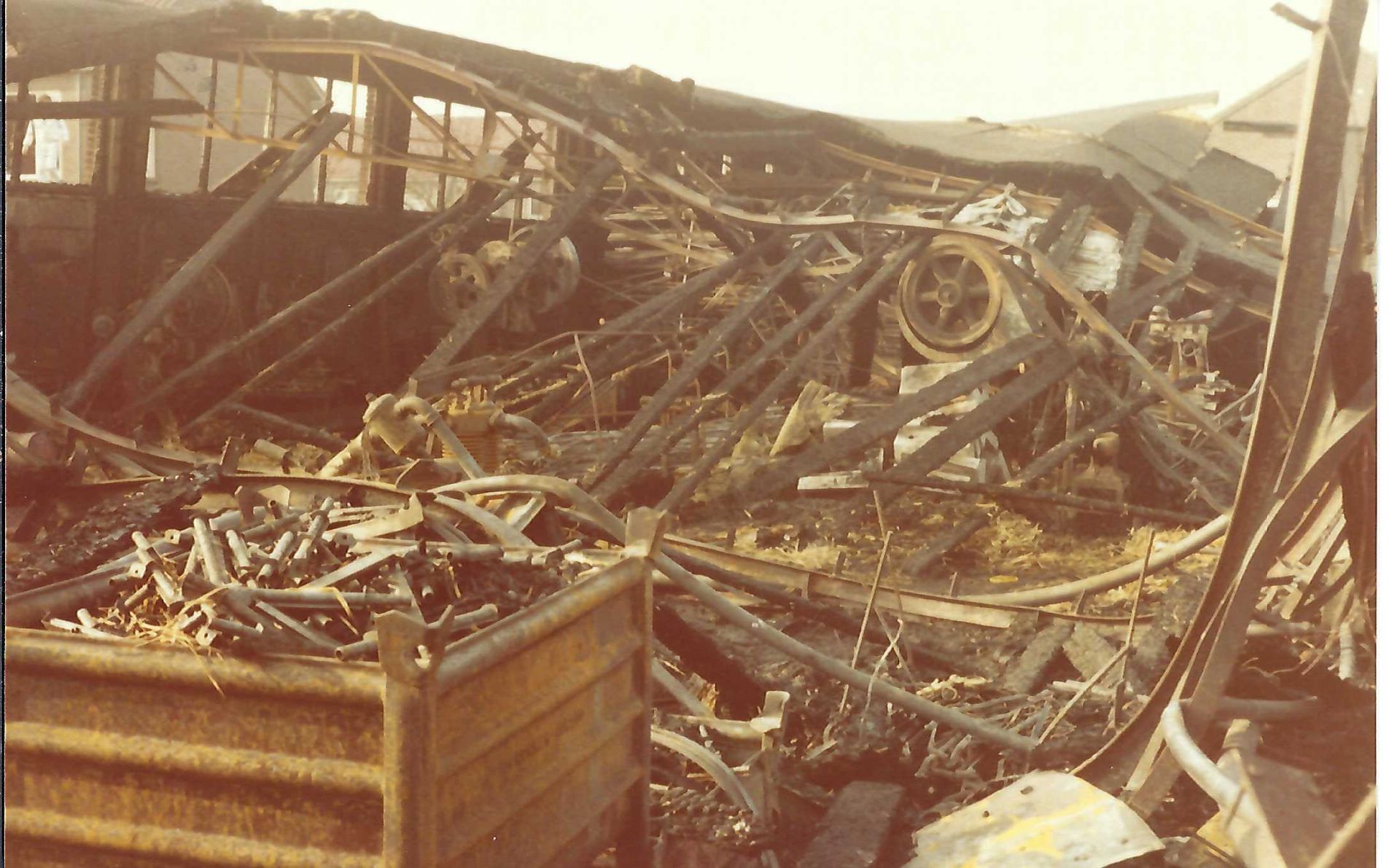
Due to the heat of the fire, the steel structure collapsed and fell onto the machines. As a result, the machines have been rendered unusable. Repair is impossible.
(source: Sliedrecht family archive)
One box for four different models.
It remains a puzzle at Sliedrecht.
1981
February 1981. The fire in the metal department causes damage to the company once again. Due to the overheating of the epoxy machine, the area surrounding the machine caught fire. Because of the immense heat, machines were partially melted and molds were lost. Consequently, a quick reconstruction and restart are not feasible. Sales remain strong through outsourcing work, but this increases costs.
Board members Teunis and Gijsbert Sliedrecht are becoming disheartened and are looking for a way out, or rather, a future for the faltering company. Moreover, it is entirely reasonable to make way for the next generation in the family business. Willem (named Bill in Canada) will not be returning for this. The intention to eventually transfer the company to Wim and Peter Sliedrecht, Teunis's two sons, is brought forward.
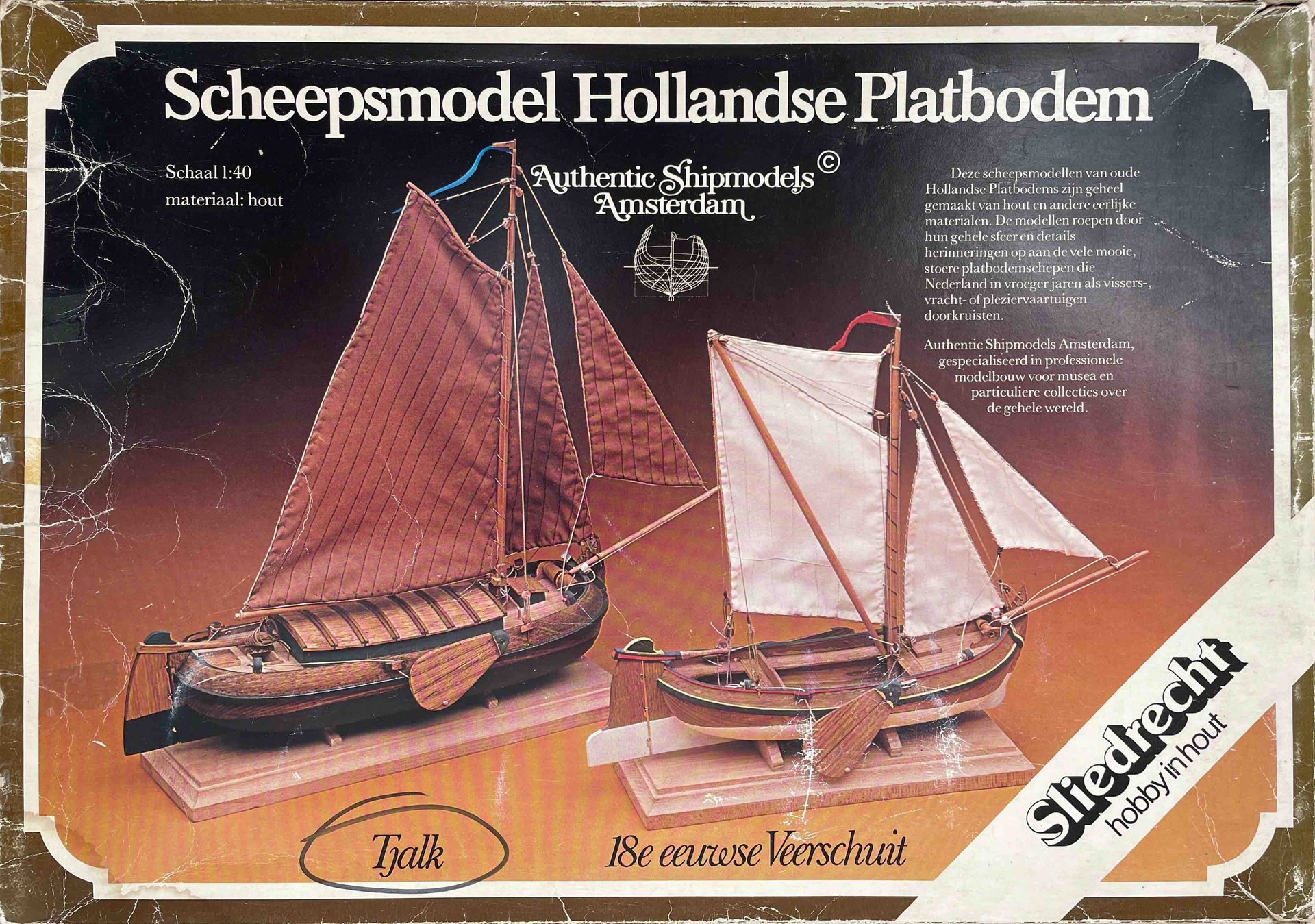
The improved, more modern version of the E10 road system is becoming the target for an international breakthrough and boosting revenue. Through the collaboration with Authentic Shipmodels (Amsterdam), Sliedrecht Speelgoed BV can quickly enter the market with a series of four wooden ships.
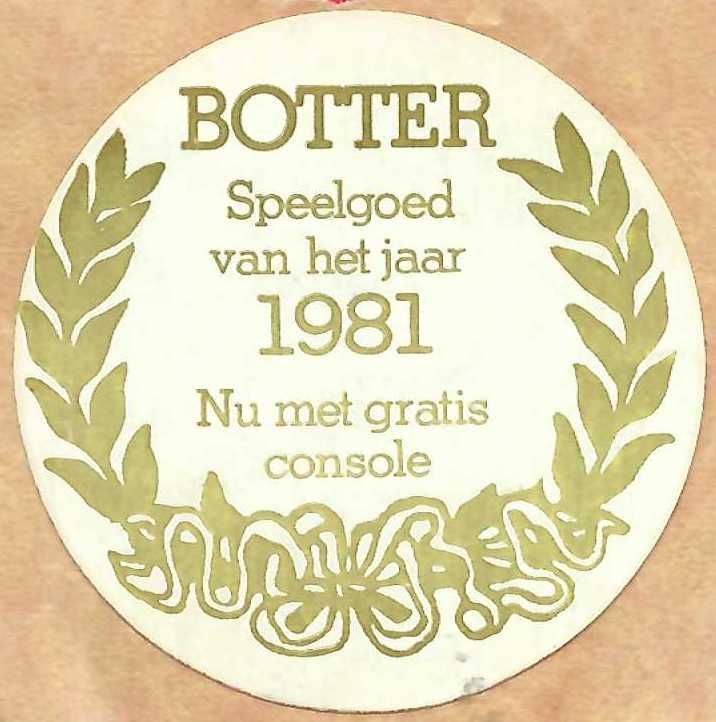
The botter from this series is awarded Toy of the Year (for older youth). There are no new products for new markets yet.
There is, however, a new and also familiar company name: Sliedrecht BV.
This is to break the negative connotation with the world of children.
1982-1983 Wim and Peter Sliedrecht
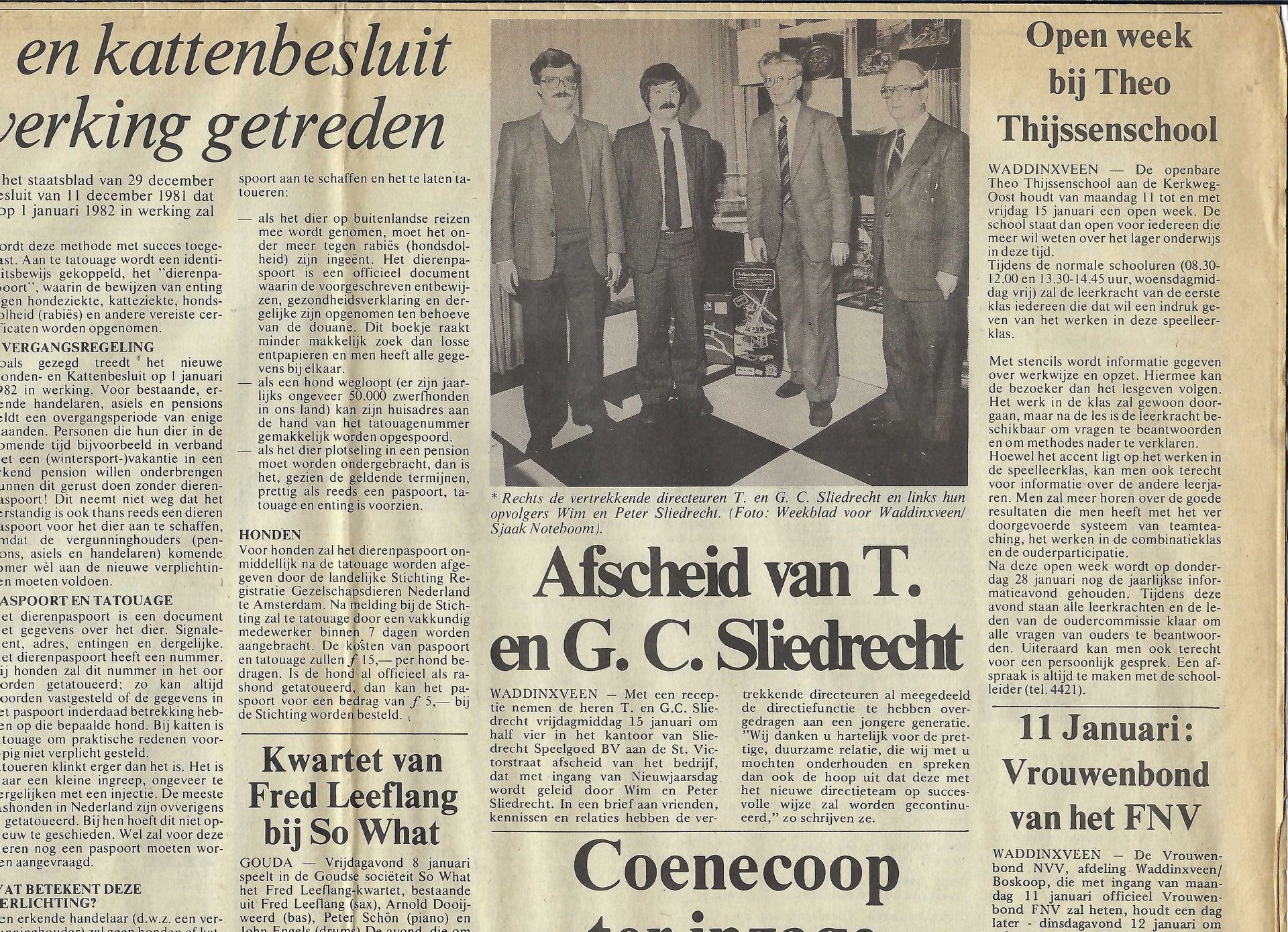
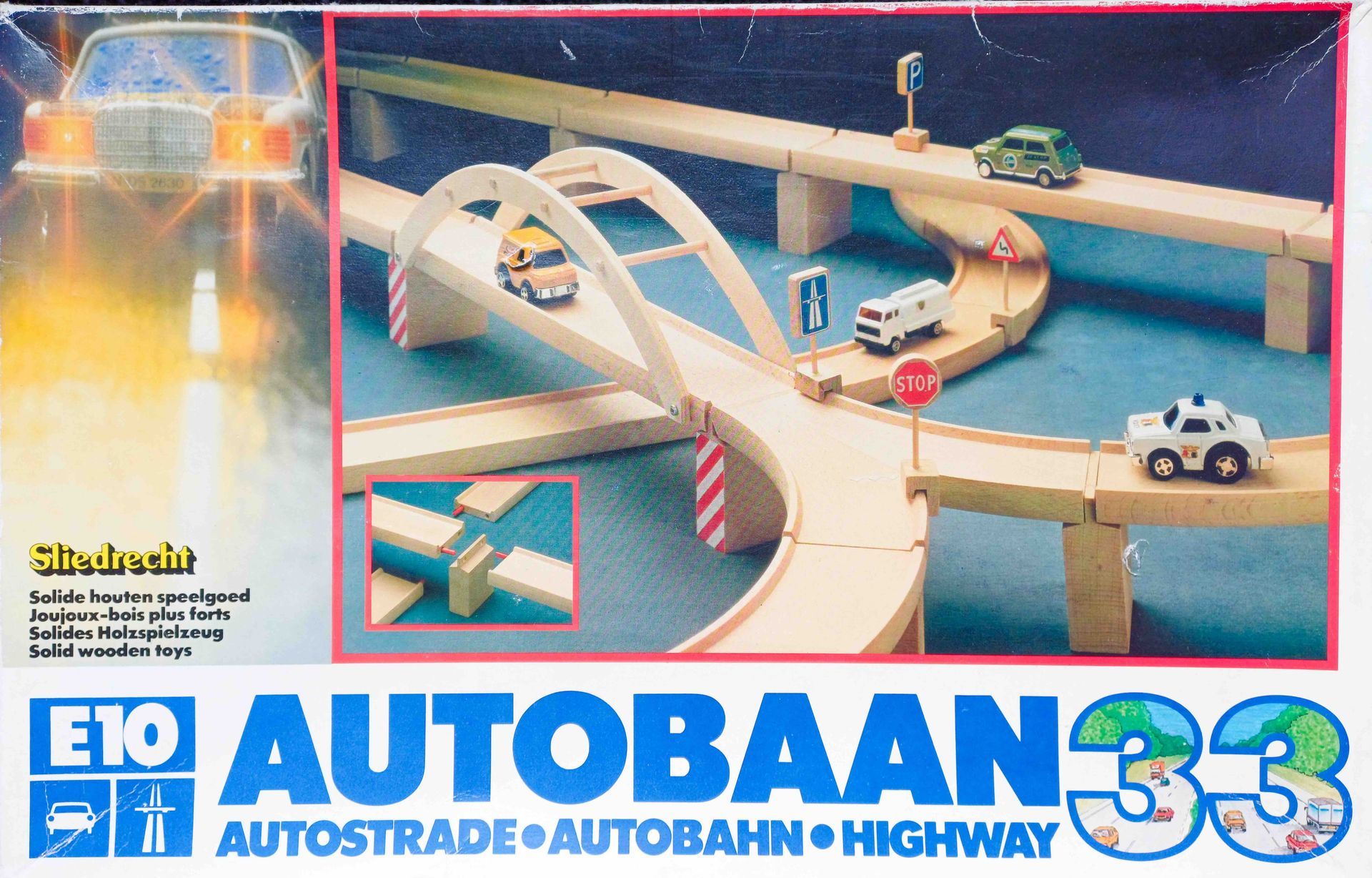
The updated E-10 box with an international and somewhat more contemporary look
The regional newspapers of early 1982 pay ample attention to the change in management.
1982:
In 1982, Peter and Wim Sliedrecht, two sons of Teunis Sliedrecht, took over the management with the bank's approval on an accelerated basis. The young directors had Jaap de Jong as their mentor and coach. De Jong had started as the youngest clerk at the age of sixteen, held various positions within the company, knew the business from the inside, and served as operational director. He was capable of setting the course. In collegial consultation with Wim and Peter, the three of them began the rescue of Sliedrecht. However, the company as a whole lacked one competence: that of a financial analyst—a man or woman with a feel for toys who also looks at market purchasing power on the one hand and all company figures on the other.
Over the years, ownership of the factory and its machinery had passed to the bank, production costs rose, regular customers disappeared, and the focus on 'better wooden toys' proved unrealistic. Turnover declined, profit turned into a loss, and equity evaporated like morning mist.
The management made efforts to incorporate the company into Lundby of Sweden. That fell through. The non-renewal of employment contracts and reduction of working hours began the descent to just nine employees. The presentation of the revamped E10 road system at the 1983 international toy fair in Nuremberg was achieved, but there is no time for growth, let alone maturity.
.
1984
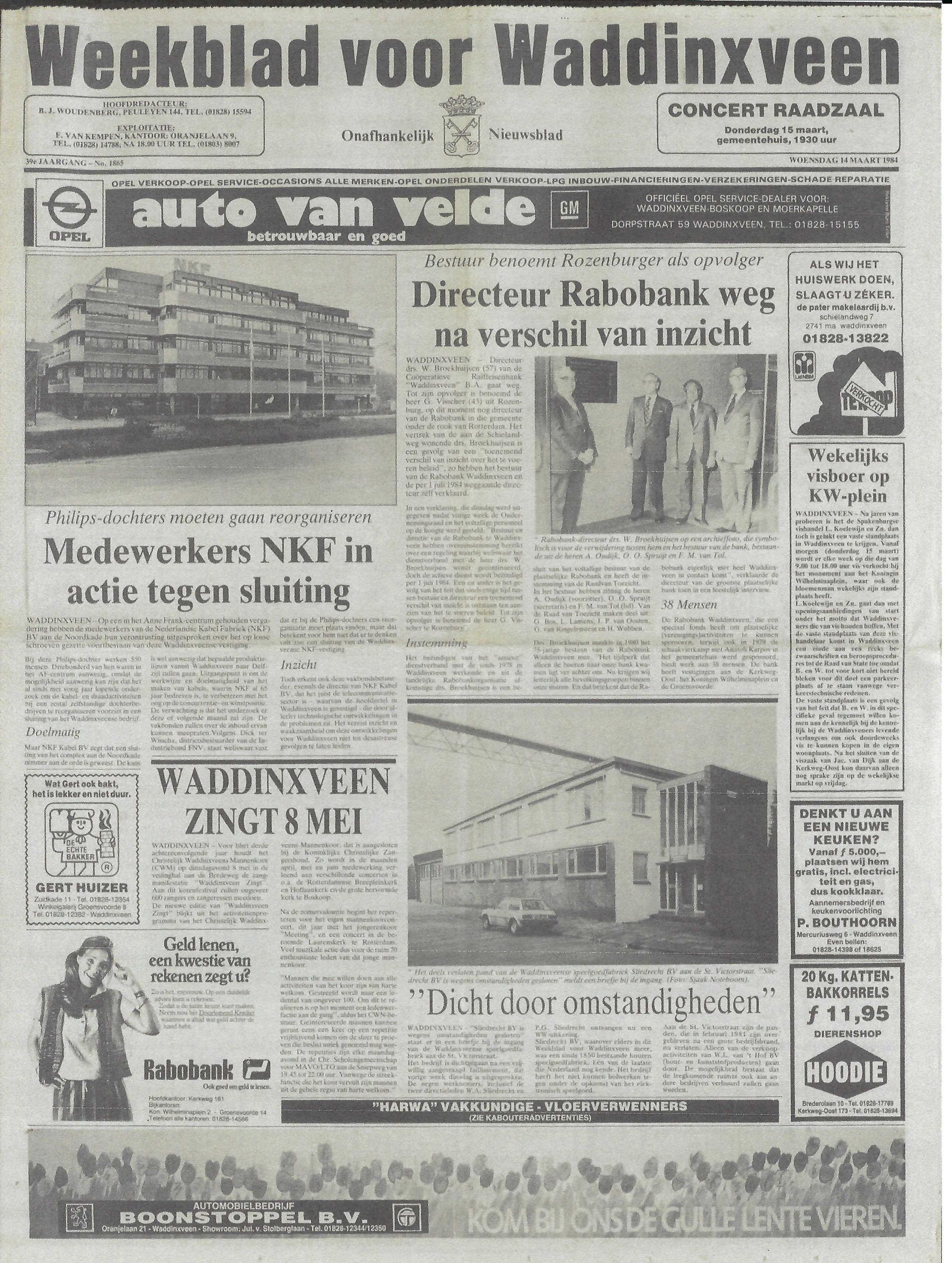
The 1983 annual figures reveal that sales are once again disappointing amidst rising costs. Although this falls within the margins of the recovery plan, it prompts the AMRO Bank to announce by letter at the end of February that it is withdrawing the credit with immediate effect. The party facing the least risk due to the government guarantee unexpectedly withdraws. A date is specified by which the debt must be repaid. However, the financial resources are exhausted. The only choice remaining is to let the debts accumulate or to cease operations. Bankruptcy is filed on March 3, 1984. Trustee Hoedemaker and Auction House Troostwijk perform the final act: the closure of Sliedrecht BV.
In the Weekblad voor Waddinxveen of March 14, 1984, there is a short notice on the front page: "Closed due to circumstances".
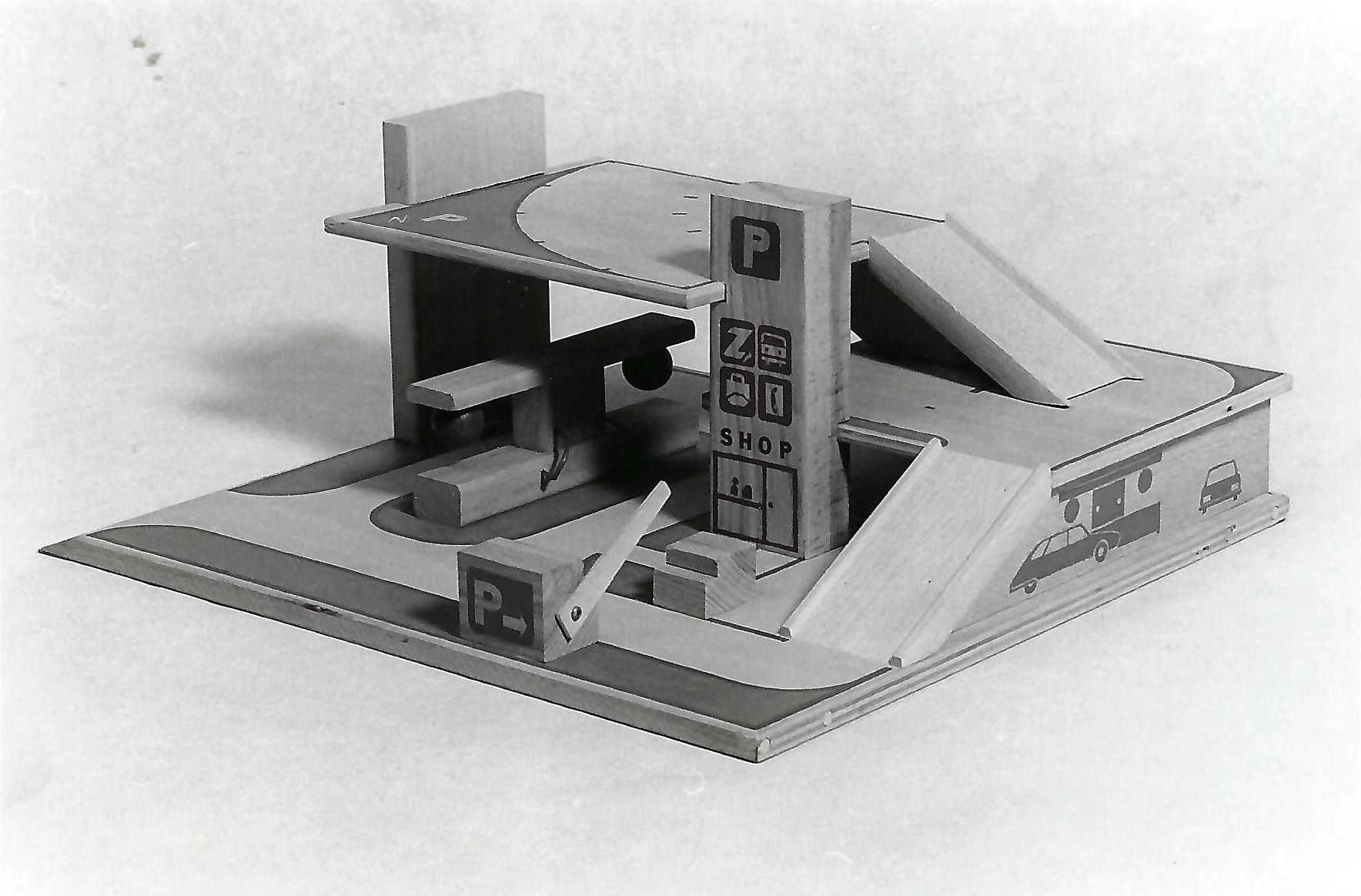
Unknown garage with Sliedrecht-style lanes and a gas station. A prototype?
(source: Sliedrecht family archive)
2026
In february 2026, Lego is releasing the long-awaited Smart Brick. It is the well-known building block with 2 rows of 4 studs. Inside are a microcomputer, sensors, and actuators. The never-boring figures can now make the corresponding sounds during play.
The beautiful, warm beechwood is definitely the toy for newborns. Plastic and digital technology are for the rest of their lives. The toys from Sliedrecht BV were beautiful; they are a thing of the past. Toys still surface with that one question: is this also from Sliedrecht BV?
*****
Want to see and know more?
The extensive story about the family and the Sliedrecht toy factory is available in PDF format under the orange button below. The other buttons provide further details on the E10 road system, the Europoort port system, Construction Company Delta, the boxes, and the leaflets.
Behind the Catalog button is a large PDF file containing a detailed description of the individual lanes and models.
Any comments, corrections, or additions to this are welcome.
Seeing, knowing, searching, and finding
A website is for viewing, browsing, reading, and discovering what is interesting or useful. To that end, this site features five pages, which can be found in the top navigation bar. Below, there are six buttons; a single mouse click downloads a Word file containing further details or specific information. This text was translated from Dutch to English using Google Translate, which may have resulted in errors or awkward phrasing. In total, there are 125 pages of content available for reading and printing. The text and images will be updated as long as the website remains active.